Choosing the right diabetic care products is crucial for managing diabetes effectively. Every individual’s needs vary based on their health conditions, lifestyle, and preferences. Understanding what products are available can lead to more informed decisions, fostering better health and wellbeing.
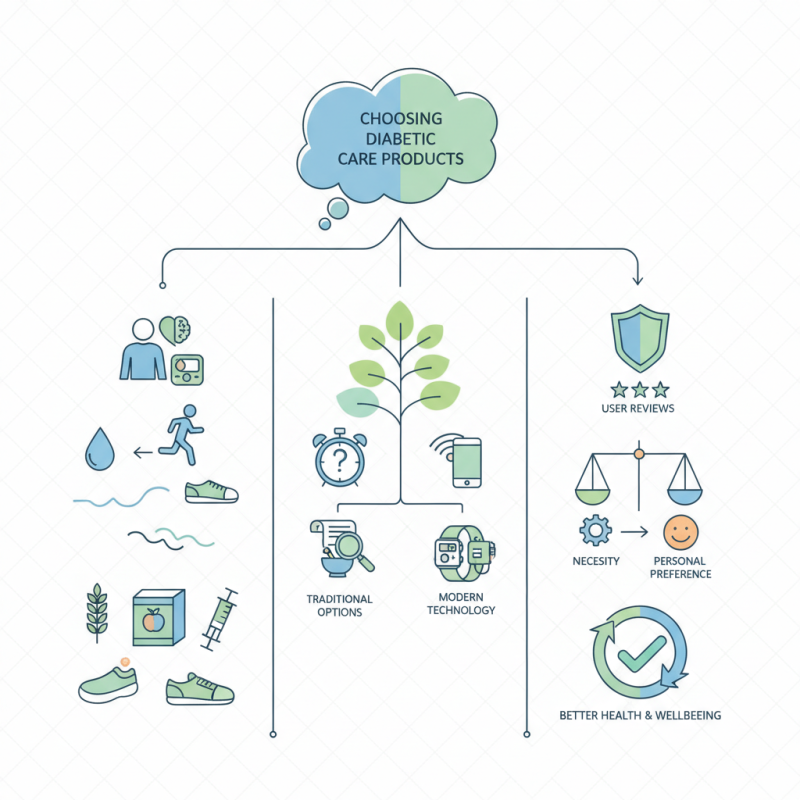
Diabetic care products range from glucose monitors to specialized dietary items. It’s essential to select products that fit one’s daily routine. Some may find traditional options helpful, while others may prefer modern technology. The effectiveness of these products often correlates with the user's comfort and familiarity.
Many people overlook the importance of quality. Not all products labeled as diabetic care are equally effective. Researching brands and reading user reviews can provide valuable insights. Reflecting on personal experiences with these products can also guide future choices. It’s essential to strike a balance between necessity and personal preference for a successful diabetes management plan.
Understanding Different Types of Diabetic Care Products Available Today
When navigating the world of diabetic care products, understanding the various options is crucial.
Blood glucose monitors are essential for daily diabetes management. They help track glucose levels accurately and assist in making informed dietary choices.
There are many types available, from traditional finger-prick models to advanced continuous glucose monitors. Each type has its advantages and drawbacks, so careful consideration is necessary.
In addition to monitors, diabetes management may include insulin delivery devices. These can be pens, pumps, or syringes.
Selecting the right method can impact daily routines significantly. Some individuals find pumps more convenient, while others prefer traditional syringes.
The emotional and physical aspects of these choices often lead to frustration. It’s important to consider personal preferences and lifestyle.
Dietary aids, such as sugar substitutes and portion control tools, also play an important role.
They can facilitate better meal planning and adherence to dietary restrictions. However, some may find these products overwhelming or confusing.
It's essential to find what works best for individual needs. Engaging with a healthcare professional can provide valuable insights into the available options.
Their expertise can help guide decision-making. Adjusting to diabetic care can be challenging, but understanding these product types can ease the journey.
Assessing Your Personal Diabetic Care Needs and Lifestyle
When assessing your personal diabetic care needs, start by evaluating your daily routine. Consider factors like diet, exercise, and work schedules. Take notes on when your blood sugar levels fluctuate. This can help identify specific products that fit your lifestyle. Think about the types of meals you enjoy and the physical activity you engage in. If you have a busy schedule, quick and accessible products might be necessary.
Reflect on your comfort level with technology. Some people prefer traditional methods, while others appreciate advanced digital solutions. Apps that track blood sugar can be helpful for some, but overwhelming for others. Balance your personal preferences with your health goals. Your unique situation demands a tailored approach to care. Have you tested different strategies? Learn from what works and what doesn’t. Understanding your body's responses will guide you in finding the best products for your diabetes management.
How to Choose the Best Diabetic Care Products for Your Needs?
| Product Type |
Features |
Benefits |
Considerations |
| Blood Glucose Monitor |
Accuracy, easy-to-read display, data storage |
Helps monitor blood sugar levels effectively |
Check for insurance coverage and ease of use |
| Insulin Delivery System |
Continuous, adjustable dosing, discreet |
Improves insulin management |
Evaluate comfort and proper training for use |
| Dietary Supplements |
Vitamins, minerals, herbs |
Supports overall health and glucose control |
Consult healthcare providers before use |
| Foot Care Products |
Moisturizers, foot baths, protective footwear |
Prevents foot complications |
Choose products suitable for sensitive skin |
| Glucose Snacks |
Convenient, quick-digesting carbohydrates |
Quickly raises blood glucose levels |
Check for added sugars and total carbohydrate content |
Evaluating Product Quality and Effectiveness for Diabetes Management
Choosing the right diabetic care products is crucial for effective diabetes management. Evaluating product quality involves several factors. Look for certifications or seals from health authorities. These indicators often show that products meet safety standards and have undergone rigorous testing.
When assessing effectiveness, consider how the product fits into your daily routine. Does it help you manage your blood sugar levels? Some products may promise results but fail when tested in real-life scenarios. Engage with community forums for user experiences. This will provide insight into what works well for others with similar needs.
Tips for making the best choice: Always check ingredient lists for allergens or substances you’re sensitive to. Don’t hesitate to consult healthcare professionals. They can guide you on the most suitable options based on your situation. Finally, keep a journal to track the impact of the products over time. This reflection can help you make better choices moving forward. Remember, it’s a process, and learning from trial and error is essential.
Reading Labels and Ingredients: What to Look for in Diabetic Products
When selecting diabetic care products, reading labels and understanding ingredients is crucial. Look for low sugar content. Products labeled as "sugar-free" may still contain carbohydrates that affect blood sugar. Check if they use natural sweeteners instead of artificial ones. Natural options are often better tolerated.
Fiber is another essential component. Choose products with high fiber. It helps regulate blood sugar levels. Also, consider the glycemic index. Foods with a low glycemic index can help maintain stable blood sugar. Don’t overlook the importance of healthy fats. They provide energy without spiking insulin levels.
Sometimes, ingredients can confuse even well-informed consumers. Watch out for hidden sugars in processed items. They might list under different names, like glucose or sucrose. Staying informed is part of managing diabetes effectively. Being aware of what goes into your body can empower you. Consider consulting a nutritionist for personalized advice. Reflect on how your body reacts to different products. Your needs may change over time.
Comparing Prices and Brands: Finding the Best Value for Your Budget
When selecting diabetic care products, price and brand comparisons are crucial. Understanding what you need can help narrow down the options. However, personal needs can vary widely. What works for one may not suit another. This emphasizes the importance of doing your research.
Tips: Take time to read reviews. They often highlight how products perform in real-life situations. Websites and forums can provide insights from those who have tested various options. Don’t rush into decisions. Prices can vary significantly across retailers, so comparison shopping can save money.
Also, consider the ingredients and materials used in the products. Sometimes, cheaper options may lack essential features. Invest in quality where it matters most, like glucose monitors or insulin supplies. However, be aware of brand loyalty; just because a label is popular doesn’t guarantee it's the best for you. Always question the value versus price.
Comparison of Popular Diabetic Care Products
Conclusion
Choosing the best Diabetic Care Products requires a thoughtful approach that considers various factors. First, it’s essential to understand the different types available, ranging from glucose monitors to meal planning apps. Assessing your personal diabetic care needs, including your lifestyle and any specific health conditions, can help narrow down your options significantly.
Additionally, evaluating the quality and effectiveness of products is crucial for effective diabetes management. Pay close attention to labels and ingredient lists to ensure they align with your health goals. Lastly, comparing prices and brands will assist you in finding the best value for your budget without compromising on quality. By following these guidelines, you can make informed decisions that enhance your diabetes care regimen.

 QLU Health