Stress has become a common challenge for many people today. Life's demands can overwhelm us, leading to anxiety and frustration. This is where Natural Approaches To Stress Management come into play. These strategies promote mental health and well-being without relying on medication.
Natural approaches often include breathing exercises, yoga, and meditation. These methods can create a sense of calm and clarity. Studies suggest that spending time in nature also reduces stress significantly. Imagine taking a walk in a park, feeling the breeze on your skin, and listening to birds chirping. Such experiences can refresh the mind.
Moreover, it’s vital to recognize that not all strategies work for everyone. Finding the right approach may take time and experimentation. We might feel uncertain about which techniques are effective. Embracing this journey can lead to personal growth and resilience. By exploring Natural Approaches To Stress Management, we can cultivate a healthier response to life’s pressures.
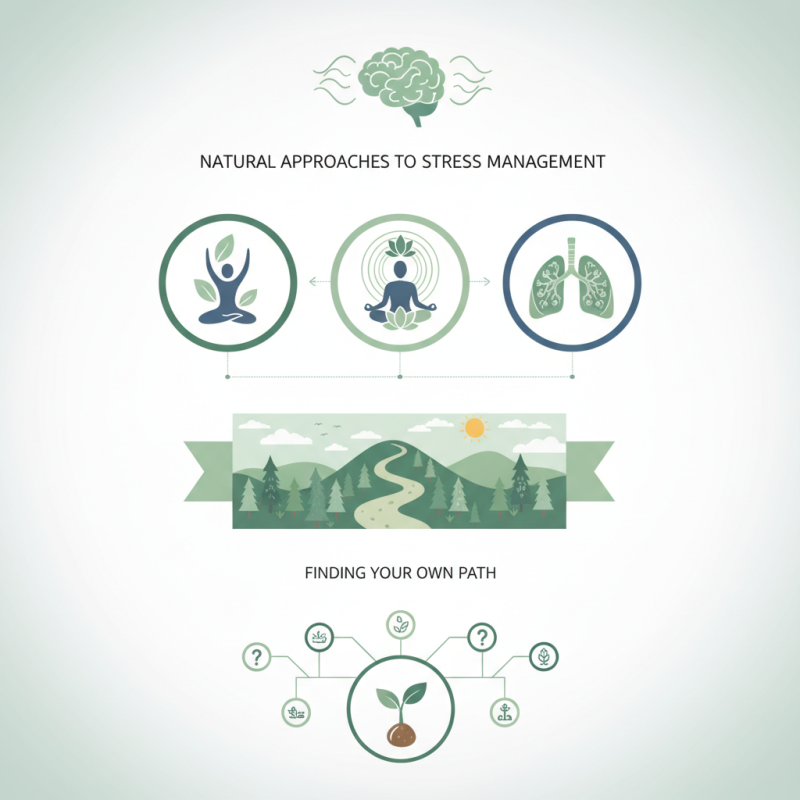
Understanding Stress: The Impact on Mental and Physical Health
Stress affects both mental
and physical health significantly. According to the American Psychological Association, over
75% of Americans experience moderate to high stress levels.
Chronic stress can lead to anxiety, depression, and
various physical ailments. These include hypertension, heart disease, and weakened immune response.
Understanding stress is essential for adopting effective management techniques.
The World Health Organization reports that stress is a
leading contributor to workplace illness. In environments where employees feel overwhelmed, productivity declines.
Furthermore, nearly 60% of stressed individuals experience sleep
disturbances, which exacerbate overall health issues. This cycle of stress and poor health can be challenging to break.
Finding ways to address stress holistically is crucial, as it impacts daily life and well-being.
Mindfulness and physical activity are natural techniques to combat stress.
Studies show that regular exercise can reduce anxiety and improve mood; even just a twenty-minute walk can help.
Mindfulness practices, like meditation, can lower cortisol levels, promoting relaxation. However, it’s important to note
that some may find these methods difficult to implement consistently. Balancing stress management
with other life demands remains a common struggle. Addressing stress requires a personal commitment and a willingness
to explore different strategies.
The Role of Natural Techniques in Stress Reduction: An Overview
Stress is a common experience faced by many. Natural techniques can offer practical ways to manage it.
Deep breathing is one effective method. It calms the mind and relaxes the body.
For example, inhaling slowly through the nose and exhaling through the mouth can make a big difference in stress levels.
Another approach is mindfulness meditation. This practice encourages being present in the moment.
It can enhance awareness of thoughts and feelings. You don't need a special space to meditate. Just find a quiet spot and focus on your breath for a few minutes.
Physical activity is crucial too. Even a short walk outside helps clear the mind.
Nature has a soothing effect on our well-being. Some people find comfort in gardening or listening to music.
Everyone has unique ways to cope. It might take time to find what works best.
Experimenting with various techniques can lead to surprising insights about yourself. Flexibility and patience are essential in this journey.
Evidence-Based Natural Approaches: Yoga and Mindfulness Practices
Incorporating yoga and mindfulness into daily life can significantly reduce stress levels. Research shows that regular yoga practice can lower cortisol, the stress hormone. A study published in the Journal of Alternative and Complementary Medicine found that participants who practiced yoga experienced a 25% reduction in stress. Mindfulness practices, such as meditation and deep breathing, also show promising results. A systematic review in the journal Health Psychology indicated that mindfulness meditation can decrease anxiety and improve emotional regulation.
Implementing these techniques is not always straightforward. Many people struggle to find the time or motivation to practice. Starting with just five minutes of mindful breathing can be effective. Yoga doesn't require an hour-long commitment; shorter sessions can still help. Regular practice fosters a deeper connection with oneself, which can sometimes feel uncomfortable. That discomfort is often where personal growth occurs.
Research supports the effectiveness of these methods, but individual experiences vary. Implementing yoga and mindfulness requires patience and consistency. Some days will be more challenging than others. Not every session will feel enlightening. However, the overall mental health benefits can be profound. It’s essential to approach these techniques with an open mind, allowing for gradual improvement over time.
Natural Approaches to Stress Management: Yoga and Mindfulness Practices
This chart illustrates the effectiveness of different natural approaches to stress management based on survey results from participants engaged in yoga and mindfulness practices. Data shows the perceived stress reduction after a month of regular practice.
Nutrition's Influence on Stress Management: Dietary Recommendations
Nutrition plays a crucial role in managing stress. What we eat influences our mood and overall well-being. Certain foods can exacerbate stress while others can help alleviate it. Incorporating a balanced diet rich in whole foods can make a significant difference.
Consume more fruits and vegetables. They are packed with vitamins and antioxidants. These nutrients support brain health and reduce stress levels. Omega-3 fatty acids found in fish are also beneficial. They help reduce anxiety and improve overall mood.
Stay hydrated. Dehydration can lead to irritability and fatigue. Warm herbal teas can offer both hydration and a calming effect. Limit highly processed foods and excessive sugar. They can increase feelings of anxiety and cause energy crashes.
Tips: Practice mindful eating. Pay attention to what and how you eat. Consider taking deep breaths before meals. Also, avoid caffeine in the afternoon; it may disrupt your sleep quality. Focus on your plate, not your worries.
Physical Activity's Benefits: How Exercise Eases Stress Levels
Physical activity is a powerful tool for managing stress. Research indicates that regular exercise can reduce anxiety and improve mood. A study published in the Journal of Clinical Psychiatry found that physical activity decreases stress hormones, such as cortisol. This natural approach helps many people cope with everyday pressures.
Engaging in just 30 minutes of moderate exercise most days can lead to significant reductions in stress levels. Activities like brisk walking, cycling, or dancing are particularly effective. Notably, a 2018 report from the Anxiety and Depression Association of America shows that at least 150 minutes of aerobic exercise weekly can greatly enhance emotional well-being.
Tips: Don't overlook small changes. Even short bouts of exercise can be beneficial. Consider a quick walk during lunch breaks or stretching between tasks. Consistency matters more than intensity. Remember that finding joy in movement is essential for maintaining this habit. However, it's also important to reflect on what types of physical activities you enjoy most, as forcing yourself into a routine can lead to burnout. Choose activities that bring you happiness and connection.
Natural Approaches To Stress Management Techniques for Everyone
| Technique |
Description |
Benefits |
Recommended Frequency |
| Aerobic Exercise |
Engaging in activities like running, swimming, or cycling. |
Reduces anxiety, improves mood, boosts energy. |
3-5 times a week |
| Yoga |
Combines breath control, meditation, and physical postures. |
Enhances relaxation, increases flexibility, reduces tension. |
2-3 times a week |
| Meditation |
Mental exercise focusing on breath or a mantra. |
Decreases stress, improves concentration, enhances self-awareness. |
Daily, even for 10-15 minutes |
| Walking |
A simple, accessible form of physical activity. |
Lowers stress levels, boosts mood, promotes cardiovascular health. |
Daily or as often as possible |
| Strength Training |
Involves weight lifting or bodyweight exercises. |
Improves mood, releases endorphins, builds resilience. |
2-3 times a week |
Conclusion
The article "Natural Approaches To Stress Management Techniques for Everyone" explores various methods to alleviate stress without relying on pharmaceuticals. It begins by highlighting the detrimental effects of stress on both mental and physical health, emphasizing the necessity for effective management strategies.
The piece further delves into the role of natural techniques in stress reduction, offering an overview of practices such as yoga and mindfulness that are backed by evidence. Additionally, it discusses the influence of nutrition on stress levels, suggesting dietary recommendations that can help manage stress effectively. Lastly, the article emphasizes the benefits of physical activity, illustrating how regular exercise can significantly lower stress levels. Overall, these natural approaches to stress management provide accessible ways for individuals to enhance their well-being and cope with daily challenges.

 QLU Health