What Are The Raw Materials For Dietary Supplements?

Time:2026-03-13 Author:Amelia
0%

The growing popularity of dietary supplements has led to increasing interest in their composition. Understanding the "Raw Materials For Supplements" is essential. Industry expert Dr. Jane Collins emphasizes, "Quality raw materials are the foundation of effective supplements." This statement highlights the significance of choosing the right ingredients.

Many types of raw materials are used in supplement production. They range from vitamins and minerals to plant extracts and amino acids. Each ingredient plays a specific role in enhancing health. However, not all sources are created equal. Sometimes, manufacturers compromise on quality for cost savings. This can lead to ineffective products.

Moreover, there’s a pressing need for transparency in ingredient sourcing. Consumers demand to know where their supplements come from. This is crucial for trust and safety. Failing to provide this information can reflect poorly on brands. The landscape of raw materials is complex, with varying levels of quality. Companies must be careful about the choices they make regarding sourcing.
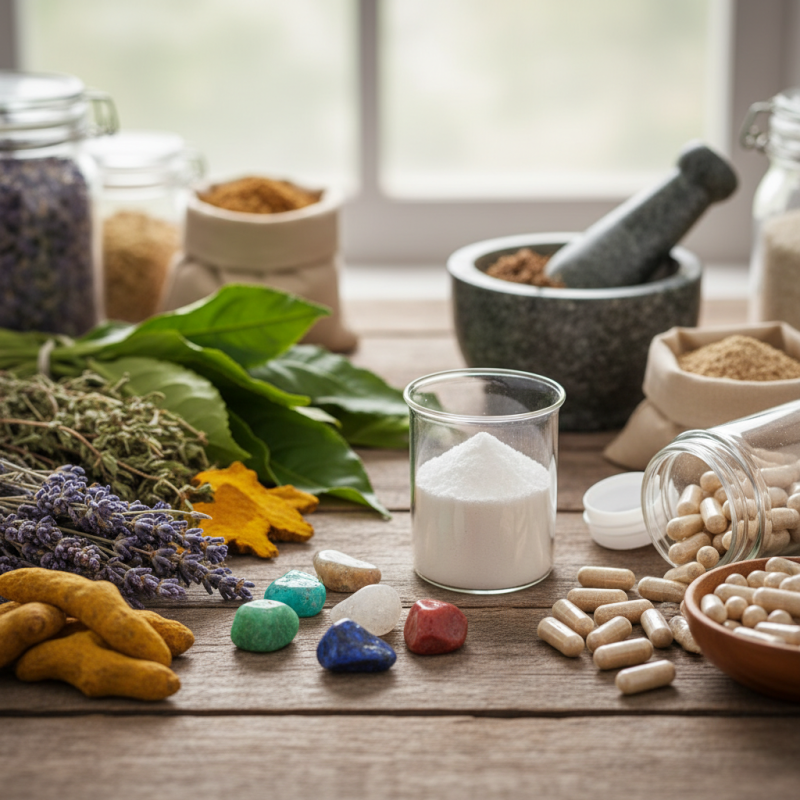
What Are The Raw Materials For Dietary Supplements?

Types of Raw Materials Used in Dietary Supplements

Dietary supplements are composed of various raw materials that provide health benefits. These materials can be broadly categorized into vitamins, minerals, herbs, and proteins. Vitamins are crucial for metabolic processes. Common examples include vitamin C and D, sourced from fruits and sunlight exposure, respectively.

Minerals like calcium and magnesium are essential for bone health. They are often derived from natural sources, such as greens and nuts. Herbal ingredients, such as turmeric and garlic, have roots in traditional medicine. These herbs can help with inflammation and digestion. Proteins, often from whey or plant sources, support muscle growth and repair.

While the variety of raw materials is extensive, one must approach their use carefully. Not every material suits everyone. Allergies and intolerances can arise, making it vital to consult a health professional. Transparency about sourcing and processing is key. A perfect composition rarely exists, and sometimes, interactions between ingredients can create unwanted effects. Awareness of these factors encourages responsible use of dietary supplements.

Natural vs. Synthetic Ingredients in Dietary Supplements

When it comes to dietary supplements, there’s a constant debate about natural versus synthetic ingredients. Natural ingredients come from plants, animals, and minerals. They are often seen as pure and beneficial. Many people trust these options more. For instance, vitamins extracted from fruits may carry additional antioxidants. However, sourcing these ingredients can be costly and time-consuming. Harvesting may not always meet the demand.

On the other side, synthetic ingredients are lab-created compounds. They can replicate the structure of natural nutrients. This process allows for consistency and potency. These ingredients are often cheaper to produce. Yet, some people question their effectiveness. They worry about the long-term effects of these man-made substances. In some cases, they might not provide the same benefits as their natural counterparts.

Choosing between natural and synthetic can feel overwhelming. Each option has its pros and cons. Natural sources may be more appealing, but they often come with variability. Synthetic ingredients offer stability but may lead to doubts. The best choice depends on individual needs and preferences. Always consider the source, quality, and your own body's response.

Common Plant-Based Sources for Dietary Supplement Production

Plant-based sources play a vital role in dietary supplement production. Many common ingredients come from nature. For instance, herbs like ginseng and echinacea are widely used. These plants are known for their health benefits. They provide vitamins, minerals, and other essential compounds.

Fruits and vegetables also contribute significantly. Spirulina, a blue-green algae, is a popular source of protein and antioxidants. Turmeric, with its active compound curcumin, offers anti-inflammatory properties. These raw materials are not only effective but also relatively easy to source. Yet, the sustainability of these plants can vary. Harvesting practices need to be responsible and eco-friendly.

Some users demand more variety in their supplements. This approach can dilute the effectiveness of individual ingredients. Relying heavily on certain plants may lead to overexploitation. It is essential to be mindful of sourcing methods. Balancing demand with sustainability can be a challenge in this industry.

Essential Minerals and Vitamins as Dietary Supplement Ingredients

Dietary supplements often contain essential minerals and vitamins that support overall health. Minerals like magnesium, calcium, and zinc play crucial roles in bodily functions. For example, calcium is vital for strong bones, while magnesium supports muscle function and energy production. Zinc is important for immune health and metabolism.

Vitamins, such as A, C, D, and E, are equally essential. Vitamin D aids in calcium absorption, promoting bone health. Vitamin C supports the immune system and acts as an antioxidant. These vitamins work together, creating a balance necessary for optimal health. Yet, it's easy to overlook proper dosages.

**Tip:** Always consult a healthcare professional before starting new supplements. They can provide guidance tailored to your specific needs.

Pay attention to your dietary habits. Whole foods provide nutrients often better than supplements. Sometimes, relying too heavily on supplements may lead to nutrient imbalances or deficiencies. Reflect on your diet and adjust accordingly.

**Tip:** Track your nutrient intake to identify areas needing improvement. Small changes can lead to significant health benefits over time.

Processing and Quality Control of Raw Materials in Supplements

The processing and quality control of raw materials in dietary supplements are crucial for product efficacy and safety. Many consumers expect high standards from these products. However, a report from the Council for Responsible Nutrition indicates that about 40% of manufacturers face challenges in maintaining quality control. This can lead to inconsistencies in potency and purity.

Raw materials must undergo rigorous testing to meet safety standards. This includes testing for contaminants such as heavy metals and microbial pathogens. A study by the United States Pharmacopeia found that nearly 25% of herbal supplements contain unlisted ingredients, raising concerns about transparency. Each ingredient should be verified by third-party testing to ensure reliability.

The supply chain also impacts quality. Many raw materials come from diverse global sources, which increases the risk of variability. For example, sourcing botanical ingredients in bulk can lead to degradation and contamination. While some manufacturers invest in advanced tracking and testing systems, others may overlook these steps, compromising quality. Regular audits and adherence to stringent standards are necessary for all players in the industry.

Raw Materials for Dietary Supplements

FAQS

: What are the main types of raw materials used in dietary supplements?

: Dietary supplements consist mainly of vitamins, minerals, herbs, and proteins.

Why are vitamins important?

Vitamins support essential metabolic processes in the body.

How do minerals contribute to health?

Minerals like calcium and magnesium are vital for maintaining strong bones.

What role do herbs play in supplements?

Herbs like turmeric and garlic are known for their anti-inflammatory and digestive benefits.

Where do plant-based proteins come from?

Plant-based proteins can be sourced from both whey and a variety of plants.

How should one use dietary supplements responsibly?

Consult a health professional, as some substances may cause allergies or intolerances.

What impact does ingredient interaction have?

Certain ingredient interactions can lead to unwanted side effects.

Why is sourcing important in supplement production?

Transparency about sourcing helps ensure safe and effective dietary supplements.

What challenge do producers face with plant-based ingredients?

Balancing demand with sustainable harvesting practices can be difficult.

How does variety in supplements affect their effectiveness?

Too much variety might dilute the benefits of individual ingredients.

Conclusion

The article "What Are The Raw Materials For Dietary Supplements?" explores the various components that form the foundation of dietary supplements. It categorizes raw materials into different types, emphasizing the distinction between natural and synthetic ingredients. Natural sources include a variety of plant-based materials, which are commonly harnessed for their health benefits. Additionally, essential minerals and vitamins play a crucial role as integral ingredients in the production of these supplements.

Processing and quality control are also highlighted as vital steps in ensuring that the raw materials for supplements meet safety and efficacy standards. By rigorously monitoring the sourcing and processing of these materials, manufacturers can maintain high-quality products that support consumer health. Overall, understanding the raw materials for supplements is key to recognizing how dietary supplements contribute to overall well-being.

Amelia

Amelia

Amelia is a seasoned marketing professional with a wealth of expertise in our company’s core offerings. With an unwavering passion for driving growth and innovation, she plays a pivotal role in shaping our marketing strategies and enhancing brand visibility. A key aspect of her responsibilities......