Understanding how to improve nutrient absorption naturally is essential for optimizing health. A report from the National Institutes of Health indicates that a significant percentage of Americans lack essential nutrients. This deficiency often stems from poor absorption rather than insufficient intake.
Expert nutritionist Dr. Jane Smith states, "Enhancing nutrient absorption is the key to unlocking the full potential of a healthy diet." Her insights underline the importance of not just consuming nutritious foods, but also ensuring that our bodies effectively utilize them.
Many factors influence nutrient absorption, including gut health, food combinations, and lifestyle choices. For example, a diet rich in fiber and fermented foods can promote a healthy microbiome, supporting better absorption rates. Moreover, mindful eating practices can significantly impact how our bodies assimilate nutrients. With awareness and simple changes, we can all improve our nutrient absorption naturally.
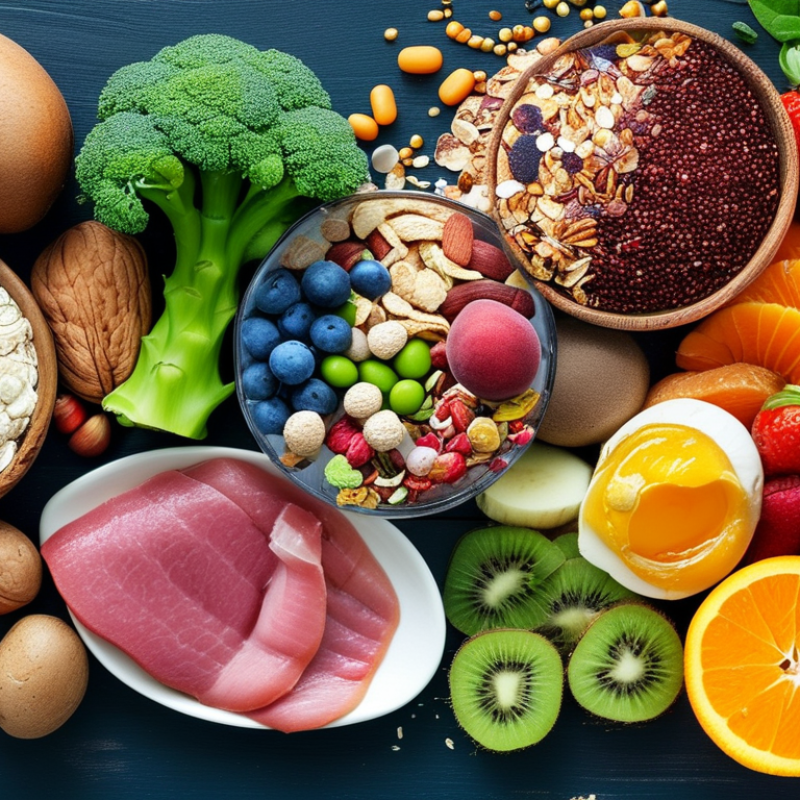
Understand the Importance of Nutrient Absorption for Health
Nutrient absorption is crucial for optimal health. The body relies on vitamins and minerals from food to function properly. According to the National Institute of Health, about 40% of adults take dietary supplements. However, even with these supplements, nutrient deficiencies can occur if absorption is inadequate.
For instance, a study conducted by the Journal of Nutritional Biochemistry revealed that individuals with gut health issues absorb fewer nutrients, leading to fatigue and weakened immunity. These problems highlight the necessity of a healthy digestive system. Enhancing gut health can significantly boost nutrient uptake. Eating fermented foods rich in probiotics can help maintain a balanced gut flora.
Additionally, certain cooking methods can influence nutrient availability. Overcooking vegetables can destroy essential vitamins. For instance, steaming or sautéing preserves more nutrients compared to boiling. Each small change can play a role in improving nutrient absorption. Individuals might benefit from incorporating a variety of foods and cooking methods to maximize nutrient uptake. This approach addresses common pitfalls in nutrition, showing that consistent, mindful practices matter.
Incorporate Fermented Foods into Your Diet for Better Digestion
Fermented foods are a powerhouse for improving nutrient absorption. They contain live probiotics that help maintain a healthy gut. These bacteria break down food more effectively, making nutrients more accessible to your body. Including foods like yogurt, kefir, and sauerkraut can drastically enhance your digestion. They introduce beneficial microbes that assist in breaking down complex carbohydrates and proteins.
However, not all fermented foods are created equal. Some products may contain added sugars or preservatives that detract from their health benefits. It's crucial to read labels carefully and choose options with minimal ingredients. Trying new fermented foods can be an adventure, yet it can also be overwhelming. Starting with small amounts is helpful. Listen to your body and observe how you feel after consuming these foods. This reflection can guide you toward your personal dietary preferences.
Embracing this journey may lead to remarkable improvements in your overall health and well-being.
Stay Hydrated: The Role of Water in Nutrient Uptake
Water plays a vital role in nutrient absorption. It helps transport vitamins and minerals through the bloodstream. Studies show that hydration can improve nutrient uptake by up to 20%. This percentage can significantly impact overall health.
Many people overlook hydration. They may not drink enough water throughout the day. The National Academies of Sciences recommend about 3.7 liters for men and 2.7 liters for women daily. However, individual needs vary based on activity level, climate, and diet. When the body is dehydrated, absorption is impaired.
Symptoms of dehydration aren’t always obvious. Fatigue, dry skin, and headaches can indicate insufficient water intake. Even mild dehydration can affect nutrient transport. If you’re consuming a balanced diet but still feel sluggish, consider your hydration status. Drinking water with meals may enhance nutrient absorption, making it a simple but effective strategy. Aim to drink water consistently, rather than just when you feel thirsty.
Combine Foods Wisely: Pairing for Enhanced Nutrient Availability
Combining foods wisely can significantly improve nutrient absorption. When you pair certain foods, you create a synergy that enhances the availability of vitamins and minerals. For instance, pairing vitamin C-rich foods like oranges with iron-rich foods such as spinach can boost iron absorption. This is crucial for maintaining energy levels and overall health.
Consider your meals carefully. Adding healthy fats can increase the absorption of fat-soluble vitamins A, D, E, and K. For example, using olive oil on a salad helps your body absorb these essential nutrients more effectively. However, many people may overlook these combinations, leading to less effective nutrient uptake.
Reflect on your eating habits. Do you tend to eat foods in isolation? This could limit your nutritional benefits. Small changes in your food pairings can yield significant results. Learning about food combinations empowers you to take control of your nutrition. It's not just about eating a variety of foods; it's about understanding how they work together.
Limit Processed Foods to Improve Nutrient Absorption Efficiency
Processed foods often contain additives and preservatives that hinder nutrient absorption. A report by the Journal of Nutrition indicates that diets high in processed foods can lead to deficiencies in essential vitamins and minerals. For instance, refined sugars and unhealthy fats can disrupt the digestive process, making it harder for your body to absorb nutrients effectively.
Opting for whole foods can significantly enhance nutrient bioavailability. Fresh fruits, vegetables, whole grains, and lean proteins provide necessary nutrients without the interference of artificial ingredients. According to research from the American Journal of Clinical Nutrition, individuals consuming diets low in processed foods experience better gut health and improved nutrient uptake. This shows the importance of food choices in maximizing nutrient absorption.
While avoiding processed foods can be beneficial, it's not always feasible. Many people struggle to eliminate these foods completely. Awareness of your eating habits is key. Reflecting on food choices can reveal patterns that impact your overall health. You may find that small changes lead to more substantial differences in nutrient absorption efficiency over time.
FAQS
: Water helps transport vitamins and minerals in the bloodstream. It improves nutrient uptake by up to 20%.
Men's recommended intake is about 3.7 liters. Women should aim for about 2.7 liters, depending on lifestyle.
Fatigue, dry skin, and headaches can indicate dehydration. Mild dehydration can hinder nutrient transport.
Yes, drinking water with meals can enhance nutrient absorption. It's a simple but effective strategy.
Processed foods often contain additives that hinder absorption. They can lead to deficiencies in essential vitamins.
Yes, whole foods like fruits and vegetables improve nutrient bioavailability. They lack harmful artificial ingredients.
Yes, many find it challenging to eliminate processed foods. Awareness of eating habits is essential for improvement.
Yes, small adjustments can lead to significant improvements in nutrient absorption over time. Reflect on your choices.
Yes, inadequate hydration can contribute to feelings of fatigue. Regular water intake is important for energy levels.
Consider your hydration status and water intake. Dehydration may be impacting your overall energy and health.
Conclusion
In the quest for optimal health, understanding how to improve nutrient absorption naturally is crucial. One effective strategy is to incorporate fermented foods into your diet, which can enhance digestion and promote a healthy gut microbiome. Additionally, staying hydrated plays a significant role in nutrient uptake, as water aids in the transportation and absorption of vitamins and minerals within the body.
Moreover, combining foods wisely can further enhance nutrient availability; for example, pairing vitamin C-rich foods with iron sources boosts iron absorption. Lastly, limiting processed foods is essential to improve nutrient absorption efficiency, as these foods often contain additives that can hinder the body's ability to absorb essential nutrients. By implementing these strategies, you can significantly enhance your overall nutrient absorption and, consequently, your health.

 QLU Health