China’s natural wellness sector is moving from local tradition toward global, evidence-aware consumption. The Global Wellness Institute valued the worldwide wellness economy at $6.3 trillion in 2023. It projects growth toward nearly $9 trillion by 2028 (Global Wellness Institute, 2024). This expansion creates opportunities for Chinese teas, botanical extracts, functional foods, natural skincare, and other carefully produced wellness goods.
Demand is also becoming more practical. McKinsey’s Future of Wellness 2024 report identifies healthy aging, nutrition, mindfulness, fitness, and beauty as major consumer priorities. Buyers increasingly inspect ingredient origins, processing methods, laboratory testing, and packaging transparency. A small tea tin may need pesticide screening, batch identification, moisture control, and clear preparation guidance before reaching a retail shelf. Quality is visible in details.
This guide explores China Top 10 Natural Wellness Products For Global Buyers through a sourcing and compliance lens. It also asks How To Improve Overall Wellbeing Naturally without overstating health benefits. The products discussed should support everyday routines, not replace professional medical care. Evidence varies. Some traditional uses remain under-researched, and “natural” does not automatically mean safe or effective. That point deserves attention.
Reliable suppliers should provide certificates of analysis, traceability records, allergen information, and export documentation suited to the destination market. Buyers should verify permitted claims under local food, supplement, cosmetic, and consumer-protection rules. The European Food Safety Authority, U.S. Food and Drug Administration, and relevant national authorities do not treat wellness language casually. Responsible sourcing requires patience, independent verification, and honest communication. Promising products still need proof.
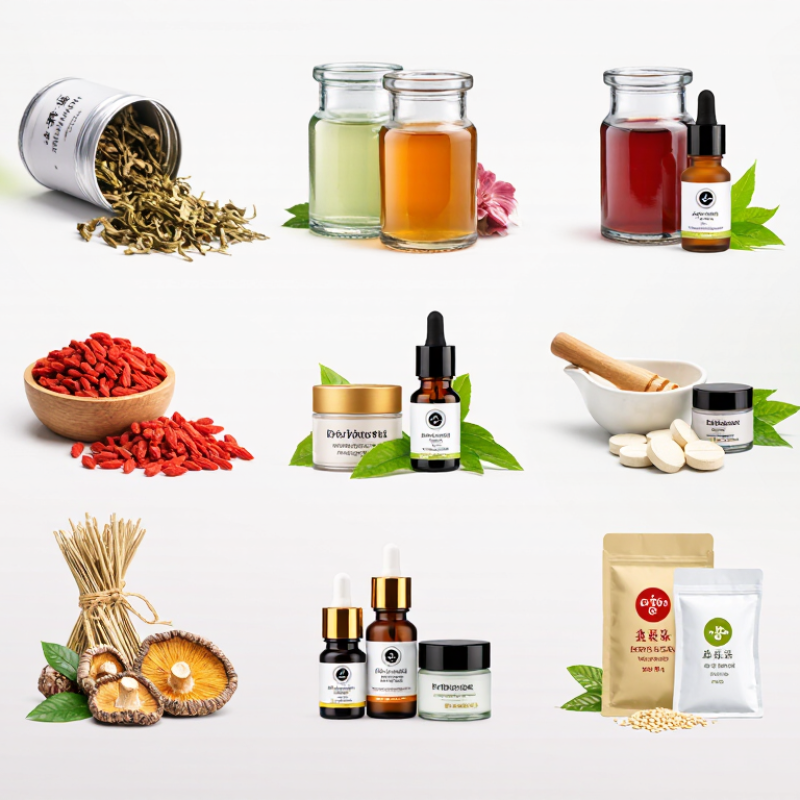
China’s natural wellness products appeal to global buyers through ingredient diversity, practical processing, and flexible supply capabilities. Common examples include herbal teas, dried botanicals, plant-based extracts, essential oils, and traditional wellness foods. Their value depends on more than origin. It depends on identity, purity, processing, and consistent documentation.
Experienced buyers often request botanical names, plant parts, harvest dates, and country-of-origin records. They also review pesticide, heavy metal, microbial, and allergen testing. A clear batch number should connect the product to production and laboratory records. Photos of drying rooms, storage areas, and packaging lines can reveal important details. Small details matter.
Natural does not mean risk-free. Weather can change flavor, color, and active compounds between harvests. Some suppliers still provide incomplete technical files or unclear translation. That creates avoidable delays. Buyers should confirm permitted ingredients, labeling rules, claims, and import requirements in the destination market. Factory audits, independent laboratory testing, and retained samples improve confidence. Yet testing alone cannot replace responsible sourcing. Ethical labor practices, traceable farms, controlled moisture, and suitable packaging also shape product reliability. A strong supplier explains limitations openly instead of promising perfect consistency.
Chinese natural wellness products often reflect daily food culture rather than aggressive treatment claims. Traditional use remains their strongest story.
Green tea is enjoyed for alertness, while chrysanthemum tea is commonly served as a cooling drink. Goji berries add a mildly sweet note to soups and infusions. Jujube is valued in warm drinks and nourishing recipes.
Ginger brings heat to teas and broths. Ginseng is traditionally prepared in small amounts for vitality-focused routines. Lotus seeds appear in desserts and calming evening recipes.
Hawthorn is often steeped after rich meals. Dried tangerine peel adds fragrance to soups and herbal blends. Chinese yam is used in simple dishes for its gentle texture and nourishing reputation.
These uses are cultural, not automatic proof of medical benefits. Evidence quality differs, and some traditional descriptions are too confident. That deserves honest review.
Tips: Global buyers should check botanical names, harvest regions, pesticide testing, moisture levels, and contaminant reports. Ask whether the product is sold as food, tea, or a supplement in the destination market. Packaging should list allergens, preparation guidance, batch details, and storage conditions. Avoid exaggerated promises. A clean sample, traceable documents, and realistic claims build more trust than dramatic language.
China’s natural wellness range includes goji berries, ginseng slices, chrysanthemum tea, green tea, jujube, ginger products, lotus seeds, tremella, honey, and herbal foot soaks. Their appeal lies in familiar ingredients and simple daily use. Goji berries provide carotenoids and fiber. Ginseng contains ginsenosides. Green tea supplies catechins, while ginger brings a warming flavor. Chrysanthemum tea is often chosen for a light, caffeine-free drink. Tremella and lotus seeds suit consumers seeking traditional food-based nourishment.
Benefits must be described carefully. These products support dietary variety, hydration, relaxation, or convenient nutrition. They should not promise disease treatment. The World Health Organization reported that 170 of 194 member states use traditional and complementary medicine. Grand View Research valued the global dietary supplements market at about US$177.5 billion in 2023, showing strong international interest. Still, “natural” does not always mean risk-free. Ingredient quality, dosage, allergies, pesticide controls, and export labeling need professional review. Evidence also varies. That part deserves more honesty.
Tips: Match products with consumer groups. Goji and jujube may suit busy adults seeking snack-sized foods. Tea products fit caffeine-aware shoppers. Ginseng requires extra caution for pregnant consumers, children, and people using medication. Request laboratory testing, botanical names, origin details, and contaminant reports before purchase. Claims should remain modest, clear, and legally acceptable.
China's natural wellness market offers diverse export categories: herbal teas, dried botanicals, essential oils, mushroom powders, plant extracts, seed oils, honey, spice blends, bath salts, and botanical snacks. Product popularity is not enough. Each item needs a defined identity, intended use, and destination-market review. A botanical name should appear beside its common name. Plant parts matter. Roots and seeds can face different controls. Buyers should request harvest details, processing temperatures, and storage conditions. This is where practical supplier knowledge matters.
Safety checks should begin with a representative batch sample, not a glossy brochure. Independent laboratories can test heavy metals, pesticides, microbes, aflatoxins, allergens, and solvent residues. Essential oils also need purity profiles and allergen declarations. A certificate of analysis must match the lot number, test method, and production date. Traceability should reach the farm or approved raw-material source. Good manufacturing records, sealed packaging, moisture control, and retained samples reduce avoidable disputes. Still, a clean report is not proof of permanent quality. Testing can miss uneven contamination. Sampling deserves skepticism.
Export compliance depends on the buyer's country, product format, and claims. Labels may require ingredients, net weight, origin, batch code, shelf life, importer details, and storage instructions. Customs documents should align with the actual formulation and HS classification. Some plants require phytosanitary documents or protected-species checks. Health claims can trigger medicine regulations, even when the product looks like tea. I have seen purchase plans fail because translation changed a mild wellness phrase into a treatment promise. A second language review is worth the delay. Before shipment, buyers should compare the invoice, packing list, certificate, label, and test report line by line.
Global buyers often explore Chinese green tea, chrysanthemum tea, goji berries, ginseng slices, herbal blends, dried citrus peel, mushroom powders, floral infusions, seed products, and botanical extracts. Product popularity matters, but it should not replace evidence. A reliable supplier can identify the plant species, growing region, processing method, and batch number. Ask for recent laboratory reports covering pesticides, heavy metals, microbial limits, and undeclared additives.
Start with a small trial order. Inspect the packaging, aroma, color, moisture level, and seal quality. Request photographs of production areas and traceability records. Certificates can help, but certificates alone are not proof. Check who issued them and whether the scope matches the actual product. Import rules also differ by destination. Review permitted ingredients, label language, dosage wording, allergen statements, and customs requirements before payment.
Clear communication reveals operational maturity. Suppliers should answer specific questions without making dramatic health promises. They should explain shelf life and storage conditions in practical terms. For powders, ask about mesh size and moisture control. For teas, check harvest dates and blending records. For extracts, request the solvent details and standardized specifications. My own sourcing reviews have shown that attractive samples can hide inconsistent batches. That is uncomfortable, but it is worth admitting. A stronger process compares at least two shipments, not just two quotations. Keep inspection records, approved specifications, and corrective actions for every order.
| No. | Product | Common Chinese Sourcing Areas | Key Natural Components | Common Product Forms | Traditional Wellness Positioning | Recommended Quality Tests | Reliable Sourcing Checklist |
|---|---|---|---|---|---|---|---|
| 1 | Green Tea Camellia sinensis | Zhejiang, Anhui, Fujian, Jiangsu and Yunnan | Tea polyphenols, catechins, caffeine and L-theanine | Loose leaf Tea bags Extract powder Instant tea | Daily beverage use; commonly selected for antioxidant-focused and alertness-oriented wellness products. | Polyphenol and catechin profile by HPLC; caffeine testing; pesticide-residue screening; moisture; heavy metals; microbial limits. | Verify harvest season, leaf grade, origin records, drying method, batch COA, allergen statement and export documentation. |
| 2 | Goji Berry Lycium barbarum | Ningxia, Gansu, Qinghai and Inner Mongolia | Polysaccharides, carotenoids such as zeaxanthin, betaine and dietary fiber | Dried berries Juice Puree Powder | Traditional food use in soups, teas and snack products; often positioned for general vitality and eye-health nutrition. | Moisture and water activity; sulfite testing; pesticide residues; aflatoxins; heavy metals; microbial testing; carotenoid profile. | Check drying process, preservative declaration, color and size specifications, traceability to growing area and packaging-barrier performance. |
| 3 | Astragalus Root Astragalus membranaceus | Inner Mongolia, Gansu, Shanxi and Heilongjiang | Astragalosides, polysaccharides, flavonoids and saponins | Sliced root Tea cut Extract powder Granules | Traditional herbal use for general energy and seasonal wellness support. | Botanical identity by macroscopic, microscopic or DNA methods; astragaloside testing; pesticide residues; heavy metals; microbial limits. | Confirm correct species and plant part, cultivation or wild-collection status, harvest year, extraction ratio and absence of undeclared adulterants. |
| 4 | Ginger Zingiber officinale | Yunnan, Sichuan, Shandong and Guangxi | Gingerols, shogaols, zingerone and volatile oils | Fresh root Dried slices Powder Extract | Food and beverage use; traditionally associated with digestive comfort and warming formulations. | 6-gingerol and 6-shogaol by HPLC; pesticide residues; aflatoxins; heavy metals; microbial limits; essential-oil profile where applicable. | Review variety, maturity, drying temperature, solvent declaration, volatile-oil retention and storage conditions. |
| 5 | Turmeric Curcuma longa | Yunnan, Guangxi, Sichuan and Guangdong | Curcuminoids, turmerones and volatile oils | Dried rhizome Spice powder Standardized extract Tea blend | Traditional culinary and herbal use; commonly used in antioxidant and joint-health product concepts. | Curcuminoid profile by HPLC; botanical authentication; pesticide residues; heavy metals; microbial testing; synthetic-dye adulteration screening. | Confirm curcuminoid specification, extraction solvent, carrier ingredients, particle size, stability data and compliance with destination-market rules. |
| 6 | American Ginseng Panax quinquefolius | Jilin, Liaoning, Heilongjiang and Beijing cultivation areas | Ginsenosides, polysaccharides and polyacetylenes | Whole root Sliced root Powder Extract | Traditional use for restorative herbal preparations and beverage products. | Ginsenoside fingerprint by HPLC; species authentication; pesticide residues; heavy metals; microbial limits; adulterant screening. | Verify species, cultivation age, root grade, drying method, ginsenoside profile, geographic traceability and CITES or other applicable documentation. |
| 7 | Chrysanthemum Flower Chrysanthemum morifolium | Zhejiang, Anhui, Henan and Sichuan | Flavonoids, chlorogenic acids, volatile oils and carotenoids | Dried flowers Tea bags Instant tea Extract powder | Traditional tea ingredient commonly consumed as a floral infusion. | Botanical identification; flavonoid or chlorogenic-acid profile; pesticide residues; sulfur-dioxide testing; mycotoxins; microbial limits. | Check flower variety, whole-flower integrity, fumigation or sulfur treatment, color retention, moisture and food-contact packaging. |
| 8 | Lion’s Mane Mushroom Hericium erinaceus | Fujian, Zhejiang, Hubei and Sichuan | Beta-glucans, polysaccharides, hericenones and erinacines | Dried mushroom Hot-water extract Powder Capsule ingredient | Food and traditional mushroom preparations; often selected for cognitive-wellness product concepts. | Species authentication; beta-glucan and polysaccharide testing; moisture; heavy metals; pesticide residues; microbial and mycotoxin testing. | Confirm fruiting-body or mycelium material, substrate disclosure, extraction ratio, active-marker method, residual solvents and batch consistency. |
| 9 | Cordyceps Militaris Cordyceps militaris | Jilin, Hubei, Guangdong and Zhejiang | Cordycepin, adenosine, polysaccharides and mannitol | Dried fruiting bodies Powder Extract Beverage ingredient | Cultivated mushroom ingredient used in traditional food and wellness formulations. | Species authentication; cordycepin and adenosine by HPLC; beta-glucans; heavy metals; pesticide residues; microbial and mycotoxin testing. | Request cultivation-substrate details, fruiting-body percentage, marker-compound specification, contaminant controls and stability information. |
| 10 | Dried Jujube Ziziphus jujuba | Xinjiang, Hebei, Shanxi, Shaanxi and Henan | Natural sugars, polyphenols, triterpenic acids, vitamin C and dietary fiber | Whole fruit Sliced fruit Paste Powder | Traditional food use in snacks, teas, soups and functional-food formulations. | Moisture and water activity; sugar profile; pesticide residues; sulfite testing; aflatoxins; heavy metals; microbial limits. | Check cultivar, pit-removal method, drying process, added-sugar declaration, preservative use, size grade and traceability records. |
Common categories include herbal teas, dried botanicals, plant extracts, essential oils, and traditional foods. Examples include goji berries, ginger, green tea, jujube, lotus seeds, and dried tangerine peel. Simple products often travel better.
Ask for botanical names, plant parts, harvest dates, origin records, and batch numbers. Request pesticide, heavy metal, microbial, and allergen testing. Photos of drying rooms and storage areas can reveal hidden problems.
No. Natural ingredients can contain allergens, contaminants, or unwanted pesticide residues. Weather may also change color, flavor, moisture, and active compounds. Natural is not risk-free.
Compare retained samples, laboratory results, moisture levels, and batch records. Independent testing can identify differences before shipment. Still, testing cannot fix poor sourcing.
Green tea is commonly enjoyed for alertness and flavor. Chrysanthemum tea is often served as a light, caffeine-free drink. Ginger adds warmth to teas and broths. Goji berries and jujube suit soups, snacks, and infusions.
They should not promise disease treatment without appropriate evidence and permission. Traditional use shows cultural practice, not automatic medical effectiveness. Evidence varies. Claims need restraint.
Busy adults may choose snack-sized goji berries or jujube. Tea products may suit shoppers seeking familiar, convenient drinks. People taking medication, children, and pregnant consumers need extra professional guidance before using concentrated products.
Packaging should state ingredients, allergens, preparation guidance, storage conditions, and batch details. Import documents should match the destination market’s food or supplement requirements. Translation errors can cause delays. Review labels early.
China’s natural wellness products reflect a long tradition of using herbs, teas, fungi, grains, fruits, and botanical ingredients to support everyday wellbeing. For global buyers, the most important considerations include traditional use, ingredient transparency, intended consumer groups, and practical benefits such as relaxation, digestive comfort, balanced nutrition, and daily vitality. Products should be selected according to consumer needs, dietary preferences, age suitability, and local regulations rather than unsupported health claims. This overview also highlights How To Improve Overall Wellbeing Naturally through balanced routines, mindful product choices, and responsible use.
Reliable sourcing requires careful review of raw-material origins, cultivation or processing methods, contamination controls, laboratory testing, packaging, labeling, shelf life, and traceability. Buyers should confirm that suppliers follow appropriate quality-management systems and provide documentation for safety, composition, and export compliance. Clear communication about certifications, permitted claims, customs requirements, and target-market standards can help reduce risks. By combining traditional knowledge with modern quality checks and transparent supplier evaluation, international buyers can develop safe, compliant, and suitable natural wellness product selections.

QLU Health