Sleep is essential for overall health. According to the Centers for Disease Control and Prevention (CDC), about one-third of adults don’t get enough sleep. Insufficient sleep can lead to severe health issues, including obesity, diabetes, and cardiovascular disease. Improving sleep quality is crucial, and many seek natural methods to achieve this goal.
Research shows that natural interventions can significantly enhance sleep. A study published in the Journal of Clinical Sleep Medicine suggests that mindfulness and relaxation techniques boost sleep quality. Moreover, the National Sleep Foundation emphasizes the importance of maintaining a healthy sleep routine. The question remains: How to improve sleep quality naturally?
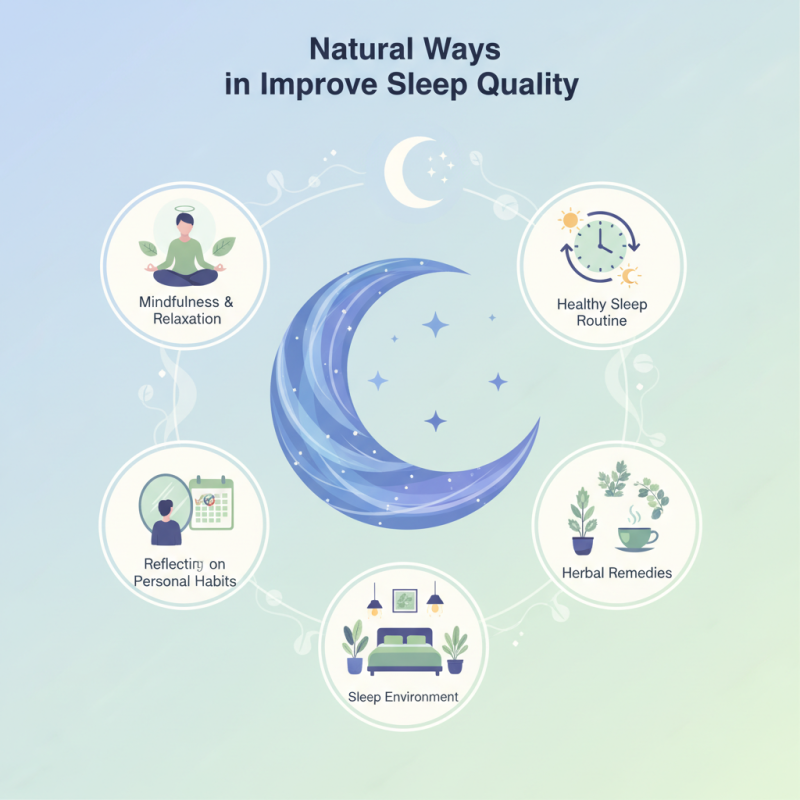
Many feel overwhelmed by sleep challenges. Implementing small changes can lead to better rest. For instance, adjusting sleep environments or exploring herbal remedies may positively impact sleep. However, it’s essential to recognize personal habits that may need adjustment. Continuous reflection on our routines can lead to better sleep, ultimately fostering improved health.
Understanding the Importance of Sleep Quality for Overall Health
Sleep quality is vital for overall health. Poor sleep can lead to a range of health issues. Many people struggle to achieve restful sleep. This can result in fatigue, mood swings, and decreased cognitive function. Research shows that quality sleep is linked to a strong immune system and better mental health.
Creating an ideal sleep environment can make a difference. A dark, quiet room invites relaxation. Consider using white noise machines or blackout curtains. Regular sleep schedules enhance your body's internal clock. This consistency helps increase the time spent in restorative sleep cycles. Many overlook the importance of winding down before bed. Activities like reading or meditating can help transition the mind.
Diet also plays a role in sleep quality. Consuming heavy meals close to bedtime can disrupt rest. Instead, opt for light snacks if hungry. Natural supplements like magnesium may improve sleep for some. However, results can vary. Reflect on your personal habits. Small changes can lead to significant improvements over time.
How Sleep Quality Affects Health
Common Factors Affecting Sleep Quality and How to Identify Them
Sleep quality significantly impacts overall health. Various factors can hinder our ability to achieve restorative sleep. Stress, an uncomfortable sleeping environment, and lifestyle choices play crucial roles in sleep disruption. Identifying these factors is essential for improving sleep quality naturally.
Tips: Reflect on your daily routine. Are you exposed to screens before bed? The blue light emitted can interfere with melatonin production. Establishing a tech-free hour can promote better sleep.
Consider your sleeping environment. Is your room dark and quiet? Small changes, like blackout curtains or white noise machines, can create an ideal space for rest. Assess your bedding too; comfort is key.
Lifestyle choices also influence sleep. Regular exercise can help, but timing matters. Avoid vigorous workouts close to bedtime. Instead, engage in calming activities, like reading or meditation, to signal your body it's time to unwind. Identifying and adjusting these factors can lead to improved sleep quality.
Natural Techniques to Enhance Sleep Quality and Promote Restful Nights
Creating a conducive sleep environment is crucial for better rest. Dim lighting, a cool room, and comfortable bedding can significantly impact sleep quality. Consider using blackout curtains to block outside light. The temperature should be comfortable, ideally between 60 and 67 degrees Fahrenheit. Many people overlook the importance of such details. A clutter-free room also promotes a sense of calm, making it easier to drift off.
Natural techniques like herbal teas can aid relaxation. Chamomile and valerian root have been known to soothe the mind. These drinks can be a comforting bedtime ritual. However, not everyone responds positively to these herbs. Some may find that caffeine lingers longer than anticipated, disrupting restful sleep. Keeping a sleep diary can help track what works and what doesn’t.
Mindfulness practices, such as meditation, can also improve sleep. Focused breathing helps calm racing thoughts. Their effects may not be immediate and can take time to develop. Regular practice is key. You might find that what helps one night may not work another. This reflection can lead to better personal understanding of your sleep patterns.
The Role of Diet and Nutrition in Improving Sleep Patterns
Diet and nutrition play a crucial role in improving sleep patterns. Consuming balanced meals with the right nutrients can lead to better sleep quality. Certain foods can help signal your body to wind down. For instance, magnesium-rich items, like leafy greens, may aid relaxation. Try incorporating almonds or bananas into your evening snacks. These foods can provide a calming effect before bedtime.
Furthermore, hydration is also essential. Dehydration can disrupt sleep, making you wake up frequently. Drinking enough water throughout the day helps maintain a steady sleep cycle. However, avoid excessive fluid intake before bed to prevent nighttime trips to the bathroom.
Be cautious with your intake of caffeine and sugar, especially in the afternoon. Both can interfere with falling asleep. It’s a trial-and-error process. Tracking how different foods affect your sleep can reveal patterns. Everyone's body reacts differently. Listening to your own needs is key to finding the right diet for better sleep.
Creating a Sleep-Friendly Environment for Better Rest and Recovery
Creating a sleep-friendly environment is essential for improving sleep quality.
Begin by controlling light levels. Heavy curtains or blackout shades can block streetlights and early morning sun.
Consider using a sleep mask if necessary. Ambient light can be disruptive, even if you don’t realize it.
Next, focus on noise reduction. Choose earplugs to minimize disturbances. White noise machines can also help create a soothing sound backdrop.
Plants can absorb noise as well, fostering a calm atmosphere. A clutter-free bedroom promotes relaxation.
Keep surfaces organized. Designate spaces for work and relaxation to avoid mixing them.
Lastly, temperature plays a significant role. A cooler room, ideally between 60-67 degrees Fahrenheit, can promote deeper sleep.
Experiment with bedding options to find what feels most comfortable. Pay attention to these aspects.
Small changes can lead to noticeable improvements in rest and recovery.
Each detail counts toward creating a sanctuary for sleep.
FAQS
: Sleep quality affects overall health significantly. Poor sleep can cause fatigue, mood changes, and cognitive decline.
Signs include constant tiredness, irritability, and trouble concentrating during the day.
Ensure your room is dark and quiet. Use blackout curtains and white noise machines for improvement.
Heavy meals before bed can disrupt sleep. Choose light snacks if you need to eat.
Exposure to screens before bed can interfere with melatonin production. Try to avoid screens an hour before sleeping.
Regular exercise helps sleep. Avoid vigorous workouts near bedtime; choose calming activities instead.
Some natural supplements may improve sleep, like magnesium. However, results can vary from person to person.
Yes, regular sleep schedules can enhance your body’s internal clock and boost restorative sleep cycles.
Activities like reading, meditating, or gentle stretching can help signal your body to relax.
Reflect on habits like bedtime routines or stress levels. Minor adjustments can lead to improved sleep quality.
Conclusion
Sleep quality is essential for maintaining overall health and well-being. Understanding the factors that affect sleep can help individuals identify issues that disrupt their rest. Common factors include stress, environmental noise, and lifestyle choices. To tackle these challenges, there are various natural techniques available. For instance, practicing relaxation methods, establishing a consistent sleep schedule, and incorporating physical activity can promote more restful nights.
Additionally, diet and nutrition play a crucial role in improving sleep patterns. Consuming foods rich in magnesium and tryptophan, while avoiding heavy meals before bedtime, can significantly support better sleep. Lastly, creating a sleep-friendly environment—considering factors like light, temperature, and comfort—can further enhance the quality of sleep. By exploring these strategies on how to improve sleep quality naturally, individuals can experience better health and increased vitality.

 QLU Health