Maintaining a healthy lifestyle in 2026 requires practical routines, not perfect discipline. Technology can support healthier choices, but it cannot replace sleep, balanced meals, regular movement, or human connection. The most reliable approach combines established health guidance with personal experience and realistic self-monitoring.
Tips For Maintaining Healthy Lifestyle Routines should begin with small actions that fit daily life. Place walking shoes beside the door, prepare vegetables before work, and keep a water bottle nearby. Adults generally benefit from consistent physical activity, adequate sleep, and nutritious foods, although individual needs differ. A healthcare professional can provide safer advice for medical conditions, injuries, or major lifestyle changes.
Some routines will fail.
A missed workout does not erase progress. A stressful week may disrupt meal planning or bedtime. I have found that rigid schedules often create guilt, while flexible plans encourage a quicker return. Tracking sleep, energy, movement, and mood can reveal useful patterns, but numbers are not the whole story. Rest days matter. Enjoyment matters too.
This guide explores evidence-informed habits for modern schedules, including screen boundaries, workplace movement, stress management, and sustainable nutrition. It also questions popular wellness claims that promise instant results. Healthy living should feel supportive, measurable, and adaptable. The goal is not to control every hour, but to build routines that remain helpful when life becomes unpredictable.
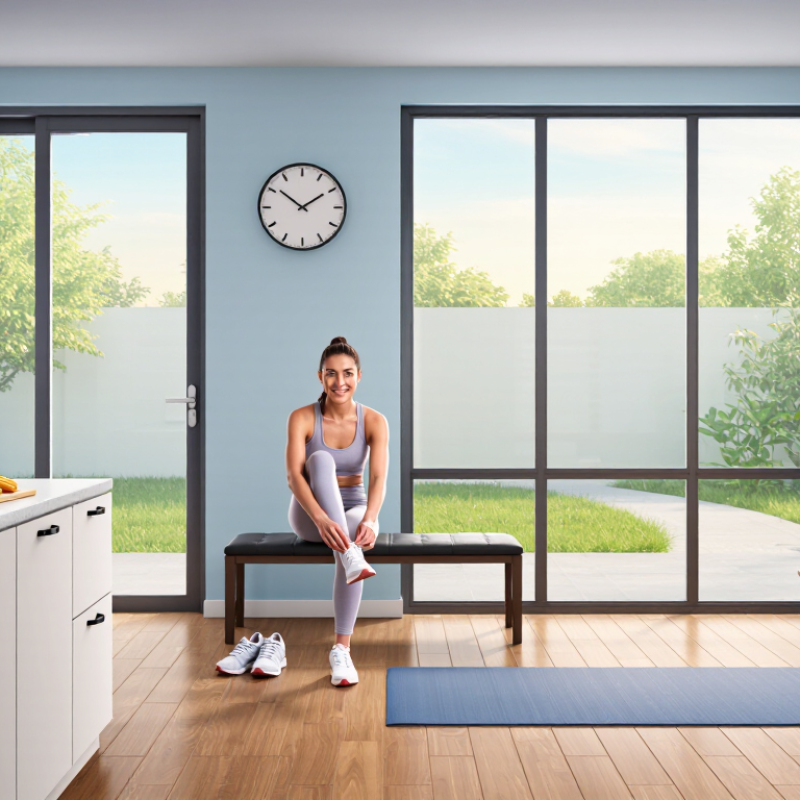
How to Maintain Healthy Lifestyle Routines in 2026?
Define Healthy Lifestyle Goals for 2026
A healthy lifestyle goal should describe an action, not just a hopeful result. “Get healthier” feels positive, but it offers no clear direction. I prefer goals such as walking for twenty minutes after dinner, five days a week. This target is specific, trackable, and easier to adjust. It also leaves room for busy evenings and bad weather.
Keep goals small at the beginning. A ten-minute stretch beside the bed may be more useful than an ambitious gym schedule. Prepare simple meals with vegetables, protein, whole grains, and enough water. Put walking shoes near the door. Make healthy choices visible. Small details matter.
Review each goal every Sunday. Note your energy, sleep, mood, and consistency. A notebook can reveal patterns that memory misses. Public health guidance supports regular movement, balanced nutrition, adequate sleep, and stress management. However, one routine does not suit everyone. A qualified healthcare professional can help adapt goals for medical conditions or changing needs.
Some weeks will go badly. Mine do. Missing a workout is not proof that the plan failed. It may show that the target was too rigid, the schedule was unrealistic, or rest was needed. Change one detail and continue. Progress can look ordinary: a calmer morning, steadier energy, or choosing water before another sugary drink.
Build your routine around at least 150 minutes of moderate physical activity each week, muscle-strengthening activities on at least 2 days per week, 7–9 hours of sleep each night, and at least 400 grams of fruit and vegetables per day. The sleep bar represents the midpoint of the recommended range.
Reference framework: World Health Organization physical activity and healthy-diet recommendations, plus widely accepted adult sleep-duration guidance.
A healthy lifestyle routine in 2026 can start with a practical nutrition and hydration plan. I build meals around vegetables, fruit, whole grains, protein, and healthy fats. This combination supports steady energy and makes meals more satisfying. My plate often includes roasted vegetables, brown rice, beans, and a small portion of fish or eggs. Simple food is easier to repeat.
Hydration needs structure too. I keep water nearby and drink a glass after waking. Another glass fits naturally with each meal. During exercise or hot weather, I drink more slowly and regularly. Thirst, sweat, activity, and climate all affect personal needs. Pale-yellow urine can offer a useful clue, but it is not a perfect health test. People with medical conditions should ask a qualified healthcare professional for individualized advice.
My routine is not flawless. I sometimes forget lunch, then reach for overly salty snacks at night. That pattern showed me that preparation matters more than willpower. I now pack yogurt, fruit, or unsalted nuts before leaving home. I also check whether caffeine replaces water during busy afternoons. It occasionally does. A registered dietitian can review dietary gaps, allergies, medication concerns, or unusual fatigue. I adjust portions when my schedule changes, rather than forcing the same plan every day.
A sustainable movement routine should fit your real life, not an ideal schedule. Begin with two or three weekly sessions. Each session can include brisk walking, strength exercises, mobility work, or gentle cycling. Aim for gradual progress rather than exhausting yourself. Public health guidance supports regular aerobic activity and muscle strengthening, but personal ability matters too. Speak with a qualified health professional if pain, illness, or long inactivity affects your plans.
Tips: Keep a pair of comfortable shoes near the door. Schedule ten-minute movement breaks during long workdays. Use simple exercises, such as squats, wall push-ups, and calf raises. Track energy, sleep, and soreness instead of counting every achievement. If your knees hurt after jogging, choose walking or water-based movement. Consistency needs flexibility.
Your routine may look imperfect. Mine would, too. Some weeks become crowded, and planned sessions disappear. That does not mean the habit has failed. Restart with one easy session, then reassess. Leave at least one lighter day when your muscles feel unusually tired. Eat enough, drink water, and protect your sleep, because recovery shapes performance. A sustainable routine should leave you capable of living afterward. If every workout creates dread, the plan may be too demanding. Adjusting it is not weakness; it is useful feedback.
Sleep and recovery deserve calendar space, not leftover time. The American Academy of Sleep Medicine recommends at least seven hours nightly for most adults. Yet the U.S. Centers for Disease Control and Prevention reported that about one in three adults regularly sleeps too little.
A practical routine starts with a consistent wake time. Keep the bedroom cool and dim. Put the phone outside arm’s reach. Small friction helps.
Recovery also includes quiet movement, nourishing meals, and realistic pauses. The World Health Organization’s 2022 World Mental Health Report connects mental health with daily living conditions, social support, and access to care.
A ten-minute walk after lunch can lower the day’s pressure. So can breathing beside an open window. Not every evening will feel balanced. That is normal.
Mental well-being needs honest monitoring. Gallup’s 2024 Global Emotions Report found that 39% of adults worldwide experienced significant worry during the previous day, while 37% experienced stress.
Write down one feeling before bed, without judging it. Talk with a qualified professional when distress persists or affects work, sleep, or relationships.
I still overestimate what one productive day can repair. That mistake requires adjustment, not shame. Recovery is often quieter than achievement.
How to Maintain Healthy Lifestyle Routines in 2026?
Track Progress and Adjust Your Lifestyle Habits Regularly
A healthy routine becomes useful when you can observe it clearly. Record your sleep time, movement, meals, water intake, and daily energy in a simple journal. Keep the process practical. A two-minute note after dinner may reveal patterns that memory misses. For example, late screen use may match shorter sleep, while a short morning walk may improve your afternoon focus.
Review your notes once a week. Look for trends, not one disappointing day. If your energy falls after several nights below seven hours, move bedtime earlier by fifteen minutes. If workouts feel too demanding, reduce their intensity and protect consistency. Small adjustments are often easier to maintain than dramatic changes. My own routine has failed when I planned exercise without considering busy workdays. That mistake still happens.
Use measurable targets, but leave room for real life. You might aim for regular movement on five days weekly, balanced meals most days, and a stable sleep schedule. Progress can also mean fewer skipped meals or faster recovery after a stressful day. Avoid changing several habits at once, because you may not know what helped. Persistent fatigue, pain, or major sleep problems deserve advice from a qualified healthcare professional. Review, adjust, and record the reason for each change. That detail builds a more reliable routine.
| Routine Area | Evidence-Based Benchmark | What to Track | Review Frequency | Practical Adjustment Rule |
|---|---|---|---|---|
| Moderate Aerobic Activity | 150–300 minutes per week for most adults | Total minutes of brisk walking, cycling, swimming, dancing, or similar activity | Weekly | If the weekly total is below 150 minutes, add two 10–15-minute sessions during the next week. |
| Vigorous Aerobic Activity | 75–150 minutes per week, or an equivalent combination of moderate and vigorous activity | Minutes of running, fast cycling, aerobic sports, or other vigorous activity | Weekly | Increase gradually rather than suddenly; reduce intensity if pain, unusual fatigue, or dizziness occurs. |
| Muscle-Strengthening Exercise | At least 2 days per week, covering all major muscle groups | Number of sessions and major muscle groups trained | Weekly | Schedule two nonconsecutive sessions; add resistance or repetitions only when technique remains controlled. |
| Sleep | Adults generally need at least 7 hours per night; consistent timing is also beneficial | Sleep duration, bedtime, wake time, and perceived sleep quality | Daily / Weekly | If sleep is regularly below 7 hours, move bedtime earlier by 15–30 minutes and reassess after one week. |
| Fruit and Vegetable Intake | At least 400 grams per day, excluding potatoes and other starchy tubers | Daily servings or estimated grams of fruit and vegetables | Daily | Add one serving to breakfast or lunch when the daily amount is consistently below the benchmark. |
| Dietary Fibre | At least 25 grams per day for adults | Whole grains, beans, lentils, vegetables, fruit, nuts, and seeds consumed | Daily / Weekly | Increase fibre gradually and drink adequate fluids to reduce digestive discomfort. |
| Free Sugars | Less than 10% of total daily energy intake; below 5% may provide additional benefits | Sugary drinks, sweets, desserts, syrups, and added sugar portions | Weekly | Replace one sugary drink or dessert with water, unsweetened tea, fruit, or plain yoghurt. |
| Sodium Intake | Less than 2,000 mg of sodium per day for adults, equivalent to less than 5 grams of salt | Packaged foods, sauces, processed meats, instant meals, and added salt | Weekly | Compare nutrition labels and reduce the saltiest recurring food before changing the entire diet. |
| Sedentary Time | Limit prolonged sitting and replace sedentary time with movement whenever possible | Longest uninterrupted sitting period and number of movement breaks | Daily | Set a reminder to stand, stretch, or walk for 2–5 minutes after each prolonged sitting period. |
| Routine Review | Use personal trends rather than a single day to guide decisions | Weekly completion rate, energy, mood, soreness, barriers, and next action | Every 7 Days | Keep, modify, or replace one habit at a time; seek professional advice for persistent symptoms or medical concerns. |
Build meals with vegetables, fruit, whole grains, protein, and healthy fats. Roasted vegetables, brown rice, beans, and eggs make a practical plate.
Keep water nearby and drink after waking and with meals. Drink more during heat or exercise. Thirst and sweat provide useful clues.
No. It offers a general clue, but it cannot confirm overall health. Medical conditions may require personalized professional advice.
Prepare yogurt, fruit, or unsalted nuts before leaving home. Skipping lunch can increase salty snack cravings later. I still forget sometimes.
Begin with two or three weekly sessions. Try brisk walking, gentle cycling, strength exercises, or mobility work. Keep the effort manageable.
Change the activity instead of forcing it. Replace jogging with walking or water-based movement. Persistent pain deserves qualified healthcare advice.
Record sleep, meals, movement, water, and energy in a short daily note. Two minutes after dinner may reveal overlooked patterns.
Restart with one easy session and reduce intensity when needed. Protect sleep and recovery. A flexible plan survives real life better.
Aim for regular movement, balanced meals most days, and steadier sleep. Change one habit at a time, or the results become difficult to interpret.
Ask for help with ongoing fatigue, pain, major sleep problems, allergies, medication concerns, or unusual dietary gaps. Some problems need more than tracking.
Maintaining a healthy lifestyle in 2026 begins with setting realistic, personalized goals that support long-term well-being rather than short-term results. A balanced daily plan should include nourishing foods, sufficient water, regular meals, and mindful choices that fit individual needs and schedules. Building a sustainable exercise routine is equally important, combining enjoyable movement, strength-building activities, flexibility work, and regular breaks from prolonged sitting.
Tips For Maintaining Healthy Lifestyle Routines also include protecting sleep and recovery as essential parts of overall health. Consistent sleep habits, relaxation time, and simple stress-management practices can improve energy, focus, and emotional balance. Finally, tracking progress through notes, schedules, or personal check-ins helps identify what is working and what needs adjustment. By reviewing habits regularly and making gradual changes, people can create a flexible lifestyle that remains practical, motivating, and supportive throughout the year.

QLU Health