Natural Ways to Ease Seasonal Allergies at Home

Time:2026-06-04 Author:Madeline
0%

As spring unfolds, seasonal allergies emerge, affecting countless individuals. To address this, Dr. Sarah Thompson, an expert in allergy management, emphasizes, "Natural remedies can often provide relief without the side effects of medication." Exploring effective **Ways To Manage Seasonal Allergies Naturally** can empower many to find solace amidst sneezing, congestion, and itchy eyes.

Natural methods focus on lifestyle adjustments and holistic practices. Simple changes, like using air purifiers or maintaining a clean home, can significantly decrease allergens. Herbs such as butterbur and local honey may also mitigate symptoms. These options not only enhance comfort but also promote overall wellness.

Despite these strategies, not every approach works for everyone. Trial and error may be necessary to discover what suits each individual best. The path to managing allergies is often imperfect, encouraging ongoing exploration and adaptation. By tuning into our bodies and embracing natural solutions, we can cultivate a healthier, allergy-friendly environment.
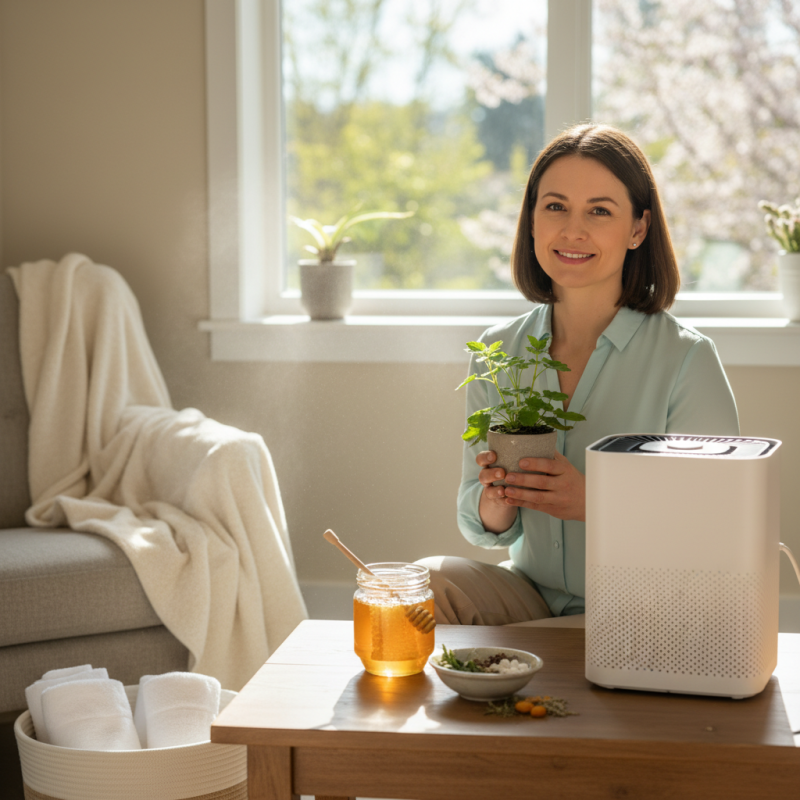
Natural Ways to Ease Seasonal Allergies at Home

Understanding Seasonal Allergies and Their Triggers

Seasonal allergies affect millions of people each year. According to the American College of Allergy, Asthma, and Immunology, about 30% of adults and 40% of children experience these allergies. Common triggers include pollen from trees, grasses, and weeds. Awareness of these triggers is essential to managing symptoms effectively.

Allergic reactions occur when the immune system mistakenly identifies harmless substances as threats. Symptoms can range from sneezing and itchy eyes to severe reactions in some individuals. Understanding one’s specific triggers can help in creating a personalized management plan. Regularly checking pollen forecasts can empower individuals to stay indoors when levels are high.

Tips: Keep windows closed during peak pollen hours, usually in the morning. Use an air purifier to reduce indoor allergens. Shower after spending time outside to wash off any pollen that may cling to your skin and hair.

Identifying triggers may require some trial and error. Some may find relief with home remedies, while others might need medical intervention. Each person’s experience with allergies is unique. Recording symptoms and possible triggers can help in finding effective solutions.

Natural Remedies for Easing Seasonal Allergies

This chart illustrates the effectiveness ratings of various natural remedies for easing seasonal allergies. Each method has been rated on a scale from 1 to 10 based on user experiences and anecdotal evidence. Nasal irrigation and air purifiers stand out as the most effective solutions.

Natural Remedies to Alleviate Allergic Symptoms at Home

Seasonal allergies can turn the most beautiful days into a struggle. Many people seek natural remedies to alleviate allergic symptoms at home. One effective method is using saline nasal rinses. This simple practice can help clear out allergens and reduce nasal congestion. It only takes a few minutes, and the ingredients are usually found in most kitchens.

Another remedy is consuming local honey. Some people believe that it can help build immunity to local pollen. A teaspoon daily might be all you need. Herbal teas, especially those containing peppermint or ginger, can soothe your throat and ease irritation. However, results may vary from person to person, so it’s wise to monitor your response.

Essential oils are also gaining popularity. Lavender and eucalyptus oils can aid in relieving congestion when diffused in the air. Yet, be cautious; not everyone reacts well to fragrances. It’s important to test them in small amounts. Remember that what works well for one individual might not work for another, encouraging a process of trial and error. With these natural remedies, relief from seasonal allergies can be just around the corner.

Essential Lifestyle Changes for Allergy Relief

Seasonal allergies impact millions of people annually. According to the Asthma and Allergy Foundation of America, around 24 million adults suffer from seasonal allergic rhinitis. While medication often provides relief, essential lifestyle changes can enhance your well-being naturally.

Diet plays a crucial role in managing allergies. Incorporating antioxidant-rich foods can help. Fruits like blueberries and vegetables like spinach boost your immune system. A study from the Journal of Allergy and Clinical Immunology highlights that a healthy diet can reduce allergy symptoms. Hydration is equally important; drinking plenty of water helps to thin mucus.

Regular cleaning can make a significant difference. Dust and pollen can trigger allergies at home. Frequent vacuuming and air filter replacement can reduce exposure. At times, a simple change in laundry habits can make a difference. Washing bedding in hot water kills dust mites. Yet, it's easy to forget tasks like these, which can lead to persistent issues.

Adjusting your daily routines can also provide symptom relief. Spending time outdoors can be beneficial, but knowing when pollen levels are high is essential. Staying indoors during peak pollen hours is a wise choice. Mindfulness practices, like yoga and deep breathing, can also alleviate stress caused by allergies. Stress can worsen symptoms, so addressing it is necessary.

Home Treatments: Herbs and Foods that Help with Allergies

Seasonal allergies can be a real challenge, especially during peak pollen months. Home remedies using herbs and foods can provide relief. Simple changes in your diet can make a big difference. For instance, consuming foods rich in omega-3 fatty acids, like flaxseeds and walnuts, may help reduce inflammation.

Herbs like nettle and butterbur are well-known for their allergy-fighting properties. They can naturally block histamine, easing symptoms. Drinking herbal teas made from these plants might offer additional relief. Local honey is another popular remedy. Many believe it can build immunity to local pollen.

It's essential to track what works for you. Each person's body reacts differently. Sometimes, a remedy works one day but not the next. Keeping a journal can help identify patterns. This way, you’ll find what soothes your allergies most effectively. Remember to stay hydrated; water is a simple yet potent ally against allergies.

Creating an Allergen-Free Home Environment

Creating an allergen-free home environment is crucial for those suffering from seasonal allergies. According to the Asthma and Allergy Foundation of America, about 50 million Americans experience some form of allergies. Taking proactive steps at home can significantly reduce exposure to allergens such as dust, pollen, and pet dander.

Start by focusing on indoor air quality. Consider using HEPA filters in your HVAC system to trap airborne allergens. Regularly change these filters. This simple action can reduce dust and pollen by over 30%, providing immediate relief. Keeping windows closed during high pollen seasons is also essential. An air purifier with a HEPA filter can help maintain clean air indoors. However, many people overlook the importance of their cleaning routines. Vacuuming carpets and upholstery regularly is crucial. The American Lung Association recommends using a vacuum with a HEPA filter as well. This can capture up to 99% of dust particles, allowing for a healthier living space.

Another area often neglected is humidity levels. High humidity can promote mold growth, a common allergen. Maintaining indoor humidity below 50% can prevent mold. You can use a dehumidifier if necessary. However, not everyone realizes the importance of regular maintenance on these devices. Additionally, consider removing carpets and heavy drapes, which harbor allergens. Opting for hardwood floors and washable curtains can simplify cleaning. Creating an allergen-free home involves ongoing effort and attention to detail.

Natural Ways to Ease Seasonal Allergies at Home

Method Description Effectiveness
Keep Windows Closed Prevent outdoor allergens from entering the home by keeping windows closed during high pollen seasons. High
Use Air Purifiers Install HEPA air purifiers to filter out dust, pollen, and other allergens in the air. Moderate
Dust Regularly Use a damp cloth for dusting surfaces to avoid stirring up allergens. High
Wash Bedding Weekly Wash sheets, pillowcases, and blankets in hot water weekly to remove dust mites. High
Keep Pets Groomed Regularly bathe and groom pets to reduce dander and allergens. Moderate
Use Natural Remedies Consider using saline nasal rinses and local honey to alleviate symptoms. Variable

FAQS

: What are the common triggers for seasonal allergies?

: Common triggers include pollen from trees, grasses, and weeds.

How can I manage my allergy symptoms effectively?

Awareness of triggers is crucial. Regularly check pollen forecasts to stay indoors when levels are high.

What lifestyle changes can help with allergies?

Incorporating antioxidant-rich foods, staying hydrated, and maintaining a clean home environment can help.

Can diet affect my allergy symptoms?

Yes, eating fruits like blueberries and vegetables like spinach can boost your immune system and reduce symptoms.

What home remedies are effective for allergies?

Herbs like nettle and butterbur, along with foods rich in omega-3 fatty acids, may provide relief.

Is it important to track my symptoms and triggers?

Yes, keeping a journal can help you identify what works for your specific allergy situation.

Should I adjust my daily routine during allergy season?

Yes, staying indoors during peak pollen hours is wise. Mindfulness practices can also help alleviate stress.

What are simple cleaning tips for reducing allergens at home?

Regular vacuuming and washing bedding in hot water can kill dust mites and reduce exposure to allergens.

How can hydration help with allergies?

Drinking plenty of water helps thin mucus, providing relief from symptoms.

What is a common mistake people make while managing allergies?

Some forget essential cleaning tasks, which can lead to persistent allergy issues.

Conclusion

Seasonal allergies can significantly disrupt daily life, but there are effective ways to manage seasonal allergies naturally. Understanding the triggers, such as pollen and mold, is the first step in mitigating symptoms. Natural remedies, including herbal teas and certain foods, can provide relief from symptoms like sneezing and congestion. Additionally, making essential lifestyle changes—such as practicing good hygiene and staying indoors during high pollen counts—can enhance overall allergy management.

Creating an allergen-free home environment is also crucial. This can include regular cleaning to reduce dust and using air purifiers to filter airborne allergens. By implementing these strategies and being proactive, individuals can find natural ways to alleviate their allergy symptoms and create a more comfortable living space.

Madeline

Madeline

Madeline is a dedicated marketing professional with a wealth of expertise in our company's core offerings. With a keen understanding of the industry, she brings a unique perspective to her role, consistently delivering high-quality content that highlights the superior aspects of our products. As......