In today's fast-paced world, maintaining a robust immune system is essential. There are numerous factors that can weaken our immune defenses. Stress, poor diet, and lack of sleep play a significant role. Finding the best ways to strengthen immune health naturally is key to thriving in any environment.
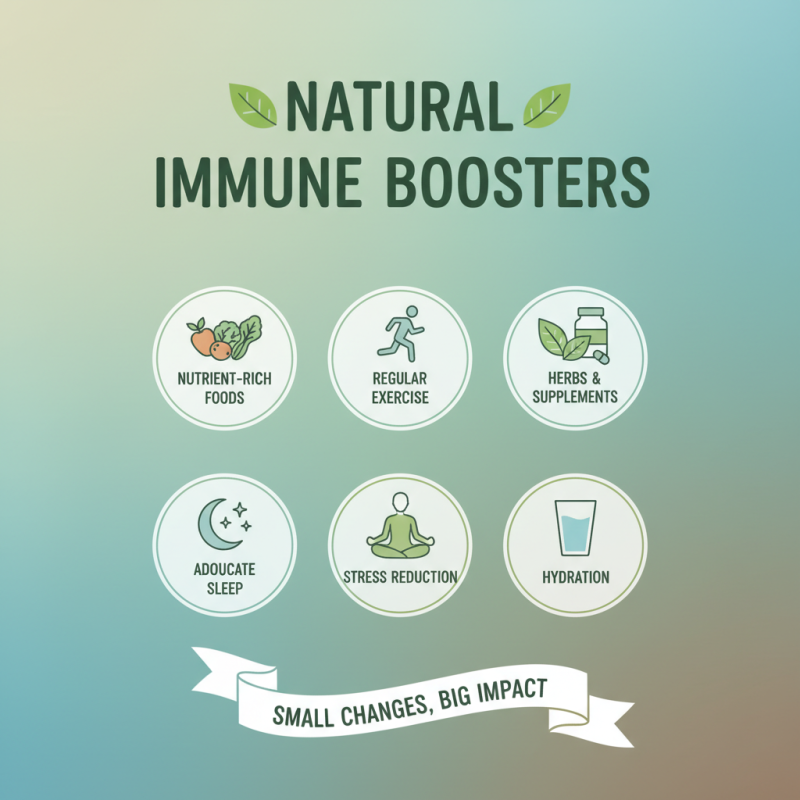
Modern lifestyles often overlook simple yet effective strategies. Nutrient-rich foods, regular exercise, and adequate hydration can enhance immune function. Herbs and supplements also offer benefits that should not be ignored. Connecting with nature and finding time for relaxation can rejuvenate both mind and body.
While many solutions exist, personal choices are crucial. Not all methods will be effective for everyone. It’s vital to reflect on personal habits and make adjustments as needed. Embracing these best ways to strengthen immune health naturally can lead to a healthier, more balanced life. Small changes can make a significant impact over time.
The immune system is a complex network. It defends the body against pathogens. Think of it as a shield. When functioning well, it identifies threats and fights infections. White blood cells play a crucial role here. They can be likened to soldiers on a battlefield. Their presence keeps us healthy.
Various factors influence immune health. Stress, diet, and sleep are key. Excessive stress can weaken the immune response. It’s surprising how our mood affects our bodies. A balanced diet rich in fruits and vegetables supports overall health. It provides essential vitamins and minerals. Ironically, many overlook the importance of hydration. Water is vital for immune function and overall well-being.
Sleep is often neglected. A lack of rest can reduce immune effectiveness. Some people stay up late, thinking it won't matter. But sleep replenishes the body's defenses. Regular exercise can boost immunity too. It's not about intense workouts but consistent activity. Small changes can lead to significant improvements. Reflecting on lifestyle habits is essential for nurturing the immune system.
Boosting immune health naturally starts with what we eat. Nutrient-dense foods play a critical role. Citrus fruits, like oranges and grapefruits, are packed with vitamin C. This vitamin is crucial for white blood cell function. Green leafy vegetables, such as spinach and kale, are also essential. They provide vitamins A and E, which support immune responses.
Incorporating a variety of nuts and seeds can help too. Almonds, for example, are rich in vitamin E, an antioxidant that protects immune cells. Probiotic-rich foods like yogurt also contribute. They promote gut health, which is closely tied to immune function. Experimenting with spices can add flavor and health benefits. Turmeric, known for its anti-inflammatory properties, can be an excellent choice.
One needs to ponder our daily habits. Are we consuming enough fruits and vegetables? Or relying too much on processed food? These diet choices directly affect our immune health. Finding balance is crucial. Small adjustments, like adding one extra serving of veggies daily, can make a difference over time. Regularly reflecting on these choices can guide us toward better health.
Physical activities play a crucial role in enhancing immune health. Regular exercise increases circulation and helps flush bacteria out of the lungs. This can reduce your chances of getting colds and other infections. A study from the Journal of Immunology Research highlighted that moderate exercise boosts the circulation of immune cells. This helps improve immune response over time.
Daily activities, like walking, jogging, or yoga, can make a significant difference. Engaging in 150 minutes of moderate activity per week is recommended. Just 30 minutes of daily walking can enhance your immune system. However, excessive exercise can have negative effects. It might lead to an increased risk of illness. Balance is key.
Interestingly, the type of activity matters too. High-intensity workouts can suppress immunity temporarily. On the other hand, activities like Tai Chi promote relaxation. This helps reduce stress, which is essential for immune function. Listening to your body is vital. When feeling fatigued, rest is better than pushing through exercise.
Stress significantly impacts our immune health. When life gets overwhelming, our bodies react in ways that can weaken our defenses. Chronic stress may lead to feelings of fatigue and irritability, making it harder to stay healthy. Fortunately, there are manageable techniques to counteract these effects.
One effective method is deep breathing. It’s simple but powerful. Find a quiet space, close your eyes, and breathe deeply for a few minutes. This can lower stress levels and support immune function. Another technique is practicing mindfulness. Just a few moments of meditation can clear your mind and help you regain focus. It’s about tuning into your body and emotions without judgment.
Tip: Try to dedicate time each day for relaxation. Even five minutes can make a difference. Also, think about your environment. Surround yourself with supportive people who uplift you. Make a habit of connecting with them regularly. Good relationships boost mental health and, in turn, help your immune system. Reflect on what helps you destress and embrace it.
| Technique | Description | Benefits | Frequency |
|---|---|---|---|
| Meditation | A practice of focused mindfulness to promote mental relaxation. | Reduces stress, improves mood, enhances immune function. | Daily |
| Exercise | Physical activity that strengthens the body and mind. | Boosts mood, manages weight, improves circulation. | 3-5 times a week |
| Healthy Diet | Consuming a balanced diet rich in fruits and vegetables. | Supports overall health, enhances immune response. | Daily |
| Adequate Sleep | Ensuring enough restorative sleep each night. | Improves cognitive function, allows for immune repair. | Every night |
| Deep Breathing | Controlled breathing techniques to reduce tension. | Reduces anxiety, lowers blood pressure, boosts immunity. | As needed |
Sleep plays a crucial role in strengthening our immune health. Research indicates that sleep deprivation can reduce the effectiveness of our immune system. A study published in the Journal of Clinical Sleep Medicine found that those who sleep less than seven hours per night are nearly three times more likely to catch a cold compared to those who sleep eight hours or more. This highlights the importance of getting quality sleep for our body's defenses.
When we sleep, our body produces cytokines, proteins that are vital for fighting infections. The National Sleep Foundation emphasizes that quality sleep promotes this process. Lack of sleep not only impairs the immune response but also makes it harder for the body to recover from illnesses. People often underestimate how fatigue affects their health, thinking they can "push through."
Creating a consistent sleep schedule can be challenging for many. Yet, poor sleep hygiene can lead to serious consequences. Experts suggest that adults need between 7 to 9 hours of sleep each night for optimal health. Small adjustments, like reducing screen time before bed, can foster better sleep. Many ignore these strategies, feeling overwhelmed. However, prioritizing sleep can significantly bolster immune response and overall well-being.
: Stress can weaken immune defenses. Chronic stress may cause fatigue and irritability.
Deep breathing is effective. Find a quiet space and breathe deeply for a few minutes.
Mindfulness allows you to clear your mind. It helps you tune into your body and emotions.
Sleep enhances immune health. Lack of sleep reduces immune effectiveness and recovery from illnesses.
Adults need between 7 to 9 hours of sleep. Quality sleep is crucial for overall health.
Poor sleep can lead to serious health issues. It impacts the immune system and recovery abilities.
Establish a consistent sleep schedule. Reducing screen time before bed can help enhance sleep quality.
Supportive relationships can boost mental health. Regularly connecting with uplifting people is beneficial.
Consider what helps you relax. Embrace those activities to manage stress effectively.
Yes, even just five minutes can help. Dedicating time daily for relaxation makes a difference.
The article "Best Ways to Strengthen Immune Health Naturally" explores various strategies to enhance immune function through natural means. Understanding the immune system is crucial, as it plays a central role in defending the body against diseases. The article highlights nutritional strategies, emphasizing the importance of a balanced diet rich in vitamins and minerals, which serve as essential building blocks for a strong immune response.
In addition to nutrition, the article discusses the significance of physical activities, showcasing how regular exercise can bolster immunity. Stress management techniques are also outlined, demonstrating how reducing stress can positively impact immune health. Lastly, the importance of adequate sleep is emphasized, underscoring its vital role in maintaining optimal immune function. Overall, these insights provide valuable guidance on the best ways to strengthen immune health naturally.

QLU Health