How To Support Immune Health For Families Naturally?

Time:2026-06-30 Author:Sienna
0%

Supporting immune health is a critical concern for families today. According to Dr. Sarah Williams, a leading immunologist, “A strong immune system is the foundation for family health.” Understanding how to improve this aspect can transform daily life.

Many families seek natural methods to enhance their immune systems. These methods vary from dietary adjustments to lifestyle changes. For instance, incorporating more fruits and vegetables rich in vitamins can be easily done. Regular exercise also plays a vital role. Yet, many families often overlook these simple steps.

Creating an engaging environment for health is essential. Activities that involve the family, like cooking healthy meals together, can foster unity too. However, not every family is fully aware of their habits. Reflecting on daily routines can highlight areas for improvement. Knowing how to support immune health for families can lead to lasting wellness.
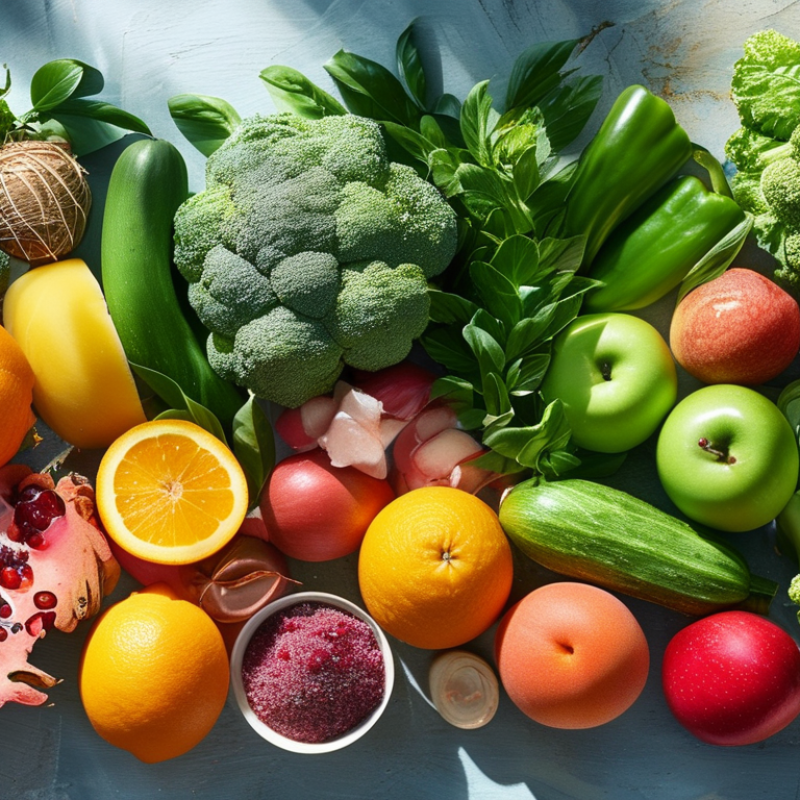
How To Support Immune Health For Families Naturally?

Understanding Immune Health: The Body's Defense System Explained

The immune system acts as the body's defense against illness. It is complex and requires balance. A well-functioning immune system helps ward off infections and diseases. The body uses white blood cells, antibodies, and other mechanisms to protect itself. Each part must work together to keep us healthy.

Nurturing immune health involves various lifestyle choices. Adequate sleep is essential. Sleep deprivation can weaken immune responses, making us more susceptible to illnesses. A balanced diet rich in fruits, vegetables, and whole grains can support our immune system. However, many people struggle with maintaining healthy eating habits.

Regular physical activity also plays a crucial role. Exercise boosts blood circulation, enhancing the delivery of immune cells to work efficiently. On the flip side, over-exercising can lead to fatigue and impair immunity. Each family member should find a fitness routine they enjoy, ensuring it’s sustainable. These steps can help families nurture their immune health naturally over time.

Essential Nutrients for Immune Support: A Comprehensive Guide

Immune health is key for families aiming for overall wellness. Essential nutrients play a significant role in supporting the immune system. Vitamins C and D are notable for their contributions. Vitamin C helps to reduce the duration of colds. It can be found in citrus fruits, berries, and leafy greens. Vitamin D is crucial for immune response. Sunlight exposure and fortified foods are good sources.

Minerals like zinc and selenium are vital too. Zinc supports immune cell function and can be found in nuts, seeds, and whole grains. Selenium helps reduce inflammation and can be obtained from nuts and fish. Families should ensure a balanced diet, rich in these nutrients. This can sometimes be challenging. Not everyone enjoys spinach or nuts. Finding creative ways to include them is essential.

Herbs and spices like garlic and ginger also support immunity. They can be easily added to meals for flavor and health benefits. Encourage children to help cook with these ingredients. It makes them more interested in what they eat. Creating a colorful plate each meal can be fun and appealing. Involving the whole family in meal prep can foster better habits. However, it’s OK if not everyone enjoys every dish; keep exploring different foods.

Natural Remedies and Herbs to Boost Family Immunity

Supporting immune health naturally can be a rewarding journey for families. Various herbs and remedies have been acknowledged for their potential benefits. Echinacea, for example, is often used to enhance the immune response. It may reduce the duration of colds. Garlic is another powerful option, celebrated for its antibacterial properties. Adding fresh garlic to meals can be simple yet effective.

Vitamin C is crucial for immunity, and citrus fruits are a great source. Kids usually enjoy oranges and lemons as snacks. Another option is elderberry syrup, known for its antiviral effects. It can be tasty and is usually well-accepted by children. Additionally, ginger can boost overall health and add flavor to dishes.

While these remedies are encouraging, it's important to remember individual responses can vary. Monitoring personal reactions to these herbs is vital. Consulting a healthcare professional is always wise. Families should explore different methods of support while also focusing on balanced nutrition. This holistic approach can help cultivate a more resilient immune system for everyone.

Lifestyle Habits for Enhanced Immune Function in Families

Supporting immune health naturally involves adopting effective lifestyle habits. Diet plays a crucial role in enhancing immune function. Studies indicate that a diet rich in fruits and vegetables boosts immune response. For instance, a report by the National Institutes of Health highlights that vitamin C and antioxidants found in these foods can reduce the duration of respiratory infections by up to 25%.

Regular physical activity also contributes significantly to immune health. Engaging in moderate exercise can stimulate immune cell circulation. The Journal of Sport Science reported that families who exercise together have a more robust immune system. Aim for at least 150 minutes per week of moderate activity, like walking or biking, to reap the benefits. However, overtraining can have adverse effects. Finding the right balance is critical.

Adequate sleep is another vital factor. Sleep deprivation can weaken the immune system. According to the Centers for Disease Control and Prevention, adults should aim for 7 or more hours per night. Creating a calming bedtime routine can enhance sleep quality. Family stress levels can also impact sleep and, in turn, immune health. Addressing this through mindfulness practices may yield positive results.

Creating a Balanced Diet: Meal Planning for Immune Health

Creating a balanced diet for immune health requires careful meal planning. Focus on including a variety of fruits and vegetables in daily meals. Brightly colored produce, like berries and leafy greens, are rich in vitamins. These nutrients are essential for a robust immune system. Incorporate foods high in antioxidants, such as nuts and seeds. These help combat oxidative stress in the body.

Protein is equally important. Opt for lean meats, legumes, and dairy products. These provide the building blocks for immune cells. Don't overlook whole grains; they’re a great source of fiber. Fiber supports gut health, which plays a crucial role in immunity. Meal planning should involve setting aside time to prepare balanced dishes. This avoids last-minute unhealthy choices.

Consider the challenges of consistent meal planning. It can be hard to stick to healthy options during busy weeks. Stress and fatigue often lead to poor dietary choices. Reflect on meal prep habits and adjust as needed. Keeping meals simple can help maintain balance. Try to create a list of go-to recipes that are both nutritious and easy to prepare. Eating right for immunity takes practice and patience, but the benefits are well worth the effort.

FAQS

: What natural remedies can boost family immunity?

: Herbs like echinacea and garlic may enhance immune response. Echinacea helps reduce cold duration, while garlic has antibacterial properties.

How can I include more vitamin C in my family's diet?

Citrus fruits like oranges and lemons are excellent sources. They provide vitamin C and are often enjoyed by kids.

What is elderberry syrup used for?

Elderberry syrup is known for its antiviral effects. It's a tasty option that children usually accept well.

Why is ginger beneficial for health?

Ginger can boost overall health and add flavor to meals. It is a versatile ingredient with many uses.

How should I approach meal planning for immune health?

Include a variety of colorful fruits and vegetables. Bright produce is rich in essential vitamins for immunity.

What challenges might I face with meal planning?

Sticking to healthy options can be tough during busy weeks. Stress or fatigue often leads to poor choices.

Why is protein important for immunity?

Protein from lean meats, legumes, and dairy provides essential building blocks for immune cells.

How can I maintain a balanced diet easily?

Keep meal prep simple. Create a list of nutritious, easy-to-prepare recipes to help in busy times.

What role does fiber play in supporting immunity?

Fiber, found in whole grains, supports gut health. A healthy gut is crucial for a strong immune system.

What should I remember about using natural remedies?

Individual responses to herbs can vary. It's important to monitor reactions and consult healthcare professionals when needed.

Conclusion

In the quest to understand "How To Support Immune Health For Families," it is crucial to recognize the body's intricate defense system. A strong immune system relies on essential nutrients that play pivotal roles in supporting and enhancing immune function. Families can benefit from incorporating a variety of natural remedies and herbs known for their immunity-boosting properties, ensuring that all members maintain robust health.

Additionally, adopting specific lifestyle habits such as regular exercise, adequate sleep, and stress management can significantly impact immune resilience. Meal planning focused on creating a balanced diet rich in vitamins and minerals is also vital. By integrating these approaches, families can effectively enhance their immune health naturally, ensuring optimal well-being for all family members.

Sienna

Sienna

Sienna is a skilled marketing professional with a deep expertise in our company’s core products and services. With a passion for innovation and detail, she plays a pivotal role in crafting insightful blog posts that not only highlight the unique features of our offerings but also provide valuable......