How to Support Respiratory Health in Urban Areas in 2026?

Time:2026-09-06 Author:Amelia
0%

Urban living offers jobs, services, and connection, but it can also increase exposure to harmful air pollutants. Traffic corridors, construction sites, indoor cooking, and poorly ventilated buildings may affect breathing throughout the day. The World Health Organization’s 2021 Air Quality Guidelines identify fine particulate matter, or PM2.5, as a serious respiratory concern. Its recommended annual guideline is only 5 micrograms per cubic metre.

Recent evidence makes the issue harder to ignore. The State of Global Air 2024 report estimated that air pollution contributed to 8.1 million deaths worldwide in 2021. It also identified household and ambient air pollution as major risks for chronic respiratory disease. IQAir’s 2024 World Air Quality Report found that many monitored cities exceeded the WHO annual PM2.5 guideline by several times. Readings can change quickly.

Ways To Support Respiratory Health In Urban Areas begins with practical, evidence-informed decisions. Residents can check local pollution forecasts, reduce outdoor exercise near heavy traffic, and improve indoor ventilation when outdoor air is cleaner. High-efficiency air cleaners may help lower indoor particle levels, especially in bedrooms and classrooms. Avoiding tobacco smoke remains essential.

Small changes matter. Yet no single solution fits every city or household. Monitoring stations may miss pollution beside a busy road, while low-cost sensors can require careful interpretation. Public health guidance should therefore combine personal protection, cleaner transport, stronger building standards, and transparent local data. This article examines realistic measures for 2026, while recognising that evidence, budgets, and urban conditions remain uneven.
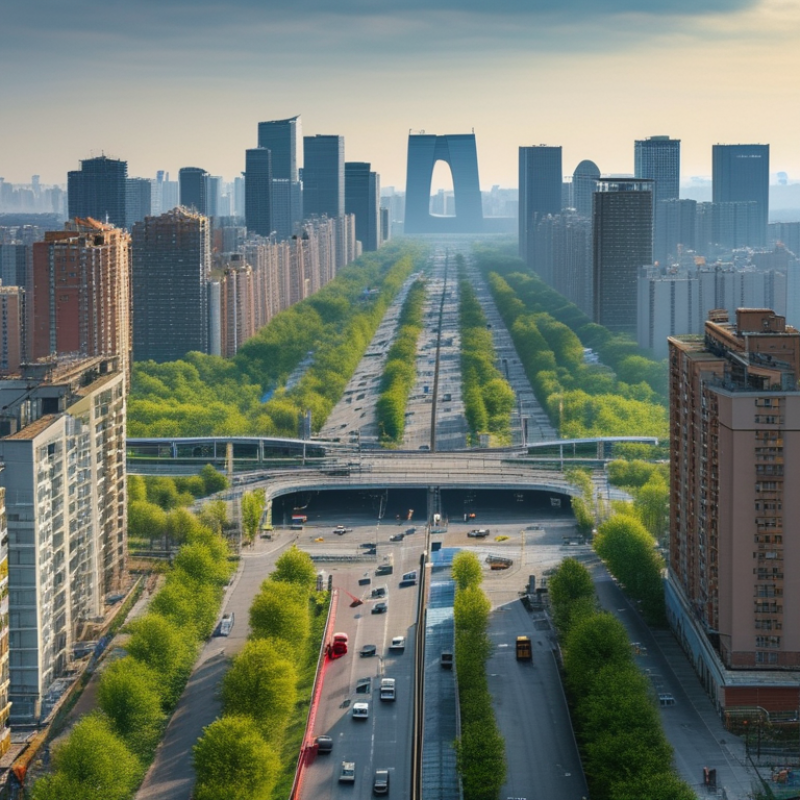
How to Support Respiratory Health in Urban Areas in 2026?

Defining Respiratory Health Challenges in Urban Areas in 2026

Urban respiratory health in 2026 is shaped by several connected exposures, not one polluted street. The World Health Organization reports that 99% of people breathe air exceeding its health-based guideline levels. Fine particulate matter, or PM2.5, remains a central concern because it can reach deep lung tissue. Nitrogen dioxide from traffic adds another burden, especially near busy roads and enclosed transport corridors. Ozone can rise during sunny, hot periods.

The scale is severe. The State of Global Air 2024 report estimated that air pollution contributed to 8.1 million deaths worldwide in 2021. Urban residents often face repeated exposure at home, work, school, and during travel. Children, older adults, and people with asthma may experience symptoms sooner. A classroom beside a congested road can have a very different risk profile from a classroom near a low-traffic park. Yet city averages can hide these sharp local differences.

Climate change is making the definition harder. Heat can increase ozone formation, while wildfires and dust events can send smoke across city boundaries. The WHO also identifies dampness, mould, and poor ventilation as important indoor respiratory risks. These exposures overlap. That matters. However, monitoring remains uneven across neighbourhoods, and short-term sensor readings cannot explain every health outcome. Urban assessments should combine air-quality measurements, hospital data, housing conditions, traffic patterns, and resident experience. More data is useful, but better interpretation is still needed.

Identifying Major Urban Air Pollution Sources and Health Risks

How to Support Respiratory Health in Urban Areas in 2026?

Identifying Major Urban Air Pollution Sources and Health Risks

Urban air pollution rarely comes from one source. Road traffic releases nitrogen dioxide, carbon monoxide, and fine particles. Brake and tire wear add metals and tiny plastic fragments. Diesel vehicles can be especially harmful near schools, bus stops, and crowded housing.

Construction sites create visible dust, but smaller particles may travel farther. Wood burning, restaurant cooking, and poorly ventilated buildings also affect neighborhood air. Ground-level ozone forms when sunlight reacts with traffic and industrial gases. It can irritate airways, even when the sky looks clear.

The health risks are uneven. Children, older adults, pregnant people, and those with asthma may react sooner. Short exposure can cause coughing, wheezing, chest tightness, or reduced exercise tolerance. Long-term exposure is linked with chronic lung disease and cardiovascular problems. These links are strong, but individual risk still varies.

Check local air-quality readings before outdoor exercise. Choose quieter streets, and avoid heavy traffic during peak hours. Keep indoor air moving without drawing polluted air inside. Portable filtration can help, though results depend on room size and maintenance. Masks may reduce particle exposure, but they do not block every pollutant.

I have found that “fresh air” is not always clean air. This assumption deserves more caution. Public health advice should also recognize indoor pollution, housing conditions, and unequal exposure across neighborhoods. Evidence continues to improve, but personal symptoms should not be ignored.

Improving Indoor and Outdoor Air Quality Through Practical Measures

How to Support Respiratory Health in Urban Areas in 2026?

Improving Indoor and Outdoor Air Quality Through Practical Measures

Urban respiratory health begins with the air we breathe indoors. Open windows when outdoor pollution is low, especially after cooking or cleaning. Use kitchen and bathroom exhaust fans that vent outside. A portable air cleaner with a suitable particle filter can reduce airborne dust, smoke, and pollen. Keep the filter maintained. A neglected filter may work poorly and collect moisture.

I check indoor air with a simple carbon dioxide monitor. It does not measure every pollutant, but rising readings can signal weak ventilation. Keeping indoor humidity moderate also helps limit mold growth. Repair leaks quickly, wash bedding regularly, and avoid burning candles in small rooms. I once ignored a damp corner behind a wardrobe. The smell returned, so the furniture had to be moved and the wall dried properly.

Outdoor choices matter too. Check local air-quality information before exercising near busy roads. Choose parks, quieter streets, or times with lighter traffic. On hazy days, shorten intense workouts and keep windows closed during pollution peaks. A well-fitted respirator may help during unavoidable exposure, but it cannot replace cleaner air. These steps are useful, not perfect. City air changes quickly, and personal symptoms can have many causes. Persistent wheezing, chest tightness, or breathlessness deserves advice from a qualified healthcare professional.

How to Support Respiratory Health in Urban Areas in 2026?

Improving Indoor and Outdoor Air Quality Through Practical Measures

The World Health Organization’s 2021 air quality guidelines set an annual PM2.5 guideline level of 5 µg/m³. The interim targets show progressively higher concentrations that countries and cities may use while working toward the guideline. Practical actions include improving ventilation and filtration indoors, reducing indoor smoke sources, monitoring local pollution forecasts, using cleaner transport, and limiting exposure during high-pollution periods.

Source: World Health Organization, Global Air Quality Guidelines, 2021.

Using Technology and Public Policy to Monitor and Reduce Exposure

How to Support Respiratory Health in Urban Areas in 2026?

Urban respiratory health depends on better information and practical public policy. Cities can place calibrated air sensors near schools, bus stations, clinics, and busy roads. These devices can track fine particles, nitrogen dioxide, humidity, and temperature. Public dashboards should explain readings in simple language. A red alert means more than a colored icon. It should guide residents toward safer travel times and indoor spaces.

Technology is useful, but it is not perfect. Sensors can drift, lose power, or misread pollution during heavy rain. Independent laboratories should test equipment regularly. Health agencies should compare sensor data with hospital visits and community reports. Privacy also matters. Location data must be limited, protected, and never used to target vulnerable residents. Some neighborhoods may still lack reliable monitoring. That gap needs honest reporting, not polished maps.

Tips: Check local air alerts before exercising outdoors. Keep windows closed during traffic peaks. Improve indoor airflow with properly maintained filters. Support policies that expand clean public transport and reduce idling near schools. Ask whether pollution data includes your neighborhood. Small actions help.

Public policy should connect monitoring with measurable changes. Cities can redesign dangerous intersections, create low-emission zones, and publish progress each quarter. Officials should consult residents, especially people with asthma and outdoor workers. Evidence must lead decisions, although evidence can be incomplete. That is uncomfortable, but ignoring uncertainty is worse.

How to Support Respiratory Health in Urban Areas in 2026?

Using Technology and Public Policy to Monitor and Reduce Exposure

Evidence-based urban respiratory-health priorities. Baselines are drawn from publicly available international health and environmental assessments; local authorities should establish city-specific baselines before setting targets.
Health or Exposure Dimension Verified Baseline Recommended 2026 Urban Action Technology and Data Use Key Performance Indicator Evidence Source
Fine particulate matter (PM2.5) The WHO 2021 air-quality guideline recommends an annual mean of no more than 5 µg/m³ and a 24-hour mean of no more than 15 µg/m³. Adopt legally enforceable city targets aligned progressively with the WHO guideline. Prioritize traffic corridors, schools, hospitals and high-density neighborhoods. Combine reference-grade stations with calibrated lower-cost sensors, satellite observations and dispersion models. Publish quality-controlled neighborhood maps. Annual and daily PM2.5 concentrations; percentage of residents living within a defined distance of a monitoring site; number of days above the guideline. World Health Organization, Global Air Quality Guidelines, 2021.
Ambient air-pollution health burden WHO estimates that ambient outdoor air pollution caused approximately 4.2 million premature deaths globally in 2019. Integrate air-quality reduction into health, transport, housing, energy and urban-planning policies rather than treating it as a standalone environmental issue. Use health-impact assessments, exposure models and anonymized hospital or emergency-department data to identify priority areas without exposing personal information. Estimated pollution-attributable respiratory admissions; asthma and chronic obstructive pulmonary disease emergency visits; exposure inequality by neighborhood. World Health Organization, “Ambient outdoor air pollution,” updated 2024.
Nitrogen dioxide (NO2) from road traffic The WHO 2021 guideline recommends an annual mean NO2 concentration of no more than 10 µg/m³. Reduce combustion traffic in dense areas through reliable public transport, walking and cycling infrastructure, low-emission zones and anti-idling enforcement. Use roadside monitors, traffic counts and meteorological data to model exposure at street level. Provide real-time alerts during pollution peaks. Annual NO2 mean; peak-hour concentration; vehicle kilometers traveled in restricted zones; proportion of journeys made by active or public transport. World Health Organization, Global Air Quality Guidelines, 2021.
Clean household and building energy WHO reports that approximately 2.3 billion people globally used polluting household fuels or technologies in 2021. Accelerate access to clean cooking and heating, improve building ventilation, and prohibit indoor smoking in public and shared residential spaces. Deploy indoor air-quality assessments in vulnerable housing, use smart ventilation controls, and provide residents with understandable exposure guidance. Share of households using clean fuels and technologies; indoor PM2.5 levels; ventilation compliance in schools and public buildings. World Health Organization, Tracking SDG 7: The Energy Progress Report, 2023.
Heat, wildfire smoke and climate-sensitive exposure Higher temperatures can worsen ozone formation, while wildfires can cause short-term increases in particulate pollution and respiratory risk. Create coordinated heat-and-smoke response plans, including clean-air shelters, school protocols, occupational protections and targeted communication for people with asthma or chronic lung disease. Combine weather forecasts, fire-smoke forecasts, air-monitoring data and health-service alerts into a publicly accessible warning system. Warning lead time; number of alerts issued; attendance or uptake at clean-air facilities; respiratory visits during smoke and heat events. Intergovernmental Panel on Climate Change, Sixth Assessment Report, 2022; WHO climate and health evidence.
Green space and urban design Urban green and blue spaces can support physical activity, reduce heat exposure and contribute to healthier living environments, although benefits depend on design and maintenance. Increase equitable access to parks, tree shade and low-traffic public spaces while avoiding vegetation designs that obstruct street ventilation or release high levels of allergenic pollen. Use geographic information systems, satellite imagery and tree-canopy mapping to identify areas with combined air-pollution, heat and socioeconomic vulnerability. Green-space access within a standard walking distance; tree-canopy coverage; surface temperature; pollutant levels near schools and housing. World Health Organization Regional Office for Europe, Urban Green Spaces and Health, 2016.
Health equity and vulnerable populations Children, older adults, pregnant people and people with asthma, chronic lung disease or cardiovascular disease may face greater health risks from air pollution. Use vulnerability-weighted targets so that pollution reductions reach underserved neighborhoods and do not shift exposure from one community to another. Publish anonymized, disaggregated indicators by neighborhood, age group and socioeconomic conditions, with strong privacy and data-governance safeguards. Difference in PM2.5 exposure between highest- and lowest-burden areas; respiratory outcomes by demographic group; proportion of interventions directed to priority communities. World Health Organization, Air Pollution and Child Health, 2018; WHO air-quality guidance, 2021.
Public communication and behavior support Air-quality information is most useful when it is timely, understandable, locally relevant and linked to practical protective actions. Provide multilingual alerts that explain when to reduce outdoor exertion, improve indoor filtration or seek medical care, while keeping responsibility focused on structural emission reduction. Offer open data dashboards, accessible application interfaces and alert subscriptions based on location, with clear uncertainty and sensor-quality labels. Alert delivery time; public comprehension; percentage of monitoring data meeting quality standards; reduction in exposure during advisories. World Health Organization, Global Air Quality Guidelines, 2021; United Nations, Sustainable Development Goal 11.

Building Community Habits for Long-Term Respiratory Protection

Urban respiratory protection starts with shared routines, not occasional campaigns. The World Health Organization reports that 99% of people breathe air exceeding recommended pollution limits. Ambient air pollution caused 4.2 million premature deaths globally in 2019 (WHO).

These figures make neighborhood habits measurable, not abstract. Residents can check pollution forecasts before cycling, jogging, or opening windows beside busy roads.

Building managers can inspect ventilation systems, reduce dampness, and replace clogged filters on a written schedule. Schools should ventilate classrooms when outdoor air is cleaner. High-efficiency particle filtration can support indoor protection during smoke or pollution episodes. Kitchens need working exhaust fans, especially during frying.

Small habits matter. Communities can also create no-idling areas near school entrances and promote smoke-free shared spaces.

The State of Global Air 2024 estimated that air pollution contributed to 8.1 million deaths worldwide in 2021.

Local health workers can translate such data into clear weekly actions. Families might keep a simple log of coughing, wheezing, dusty rooms, and pollution readings. It can reveal patterns, though it is not a medical diagnosis.

Children, older adults, and people with asthma may need advice from qualified clinicians. Public-health plans should include cleaner walking routes and indoor activity options.

Yet participation will not be perfect. Residents may forget, lack time, or distrust official readings. That weakness deserves attention, not blame. Local leaders should publish monitoring methods, explain uncertainty, and review community feedback each season.

FAQS

: What are the main sources of urban air pollution?

: Road traffic releases nitrogen dioxide, carbon monoxide, and fine particles. Brake dust and tire wear add metals and tiny plastic fragments. Construction dust, cooking fumes, wood smoke, and poor ventilation also matter.

Why can traffic pollution be dangerous near schools?

Diesel vehicles can release concentrated pollution near school entrances and bus stops. Children breathe more rapidly during outdoor activity. Peak traffic creates short, intense exposure.

Can clear skies still contain harmful pollution?

Yes. Ground-level ozone can form in sunlight from traffic and industrial gases. It may irritate airways while the sky looks bright and clean. Clear does not mean harmless.

Who may experience symptoms sooner?

Children, older adults, pregnant people, and those with asthma may react earlier. Symptoms can include coughing, wheezing, chest tightness, or reduced exercise tolerance. Personal risk still varies.

How can residents reduce outdoor exposure?

Check local air-quality readings before jogging, cycling, or exercising outside. Choose quieter streets away from heavy traffic. Avoid peak travel periods when possible.

How can indoor air be improved?

Maintain ventilation systems and replace clogged filters regularly. Use kitchen exhaust fans during frying. Keep windows closed during nearby traffic peaks. Indoor air is not automatically clean.

Are air sensors always reliable?

No. Sensors can drift, lose power, or misread pollution during heavy rain. Independent testing and regular calibration improve confidence. Some neighborhoods may still lack dependable monitoring.

Can masks solve urban air pollution exposure?

Some masks may reduce exposure to particles. They do not block every pollutant. Fit, maintenance, and pollution type all matter. This protection is incomplete.

What should communities do near schools and busy roads?

Communities can create no-idling areas near school entrances. Cities can improve cleaner walking routes and public transport. Residents should ask whether pollution data includes their neighborhood. Progress may be uneven.

How can families track pollution-related symptoms?

Keep a simple log of coughing, wheezing, dusty rooms, and air readings. Write down dates, locations, and outdoor activities. Patterns may appear, but the log is not a diagnosis. Speak with a qualified clinician when symptoms continue.

Conclusion

In 2026, respiratory health in urban areas remains challenged by traffic emissions, construction dust, industrial activity, wildfire smoke, and climate-related changes in air quality. These pollutants can worsen asthma, allergies, chronic lung conditions, and cardiovascular risks, while poor ventilation may increase exposure indoors. Ways To Support Respiratory Health In Urban Areas include understanding local pollution patterns, reducing unnecessary exposure during high-pollution periods, improving ventilation, using effective air filtration, and keeping indoor spaces free from smoke and excessive dust.

Technology and public policy can strengthen these efforts through real-time air-quality monitoring, early warnings, cleaner transportation, greener urban planning, and stronger emissions standards. Individuals and communities can also build lasting habits by choosing walking routes away from heavy traffic, maintaining clean shared spaces, supporting tree planting where appropriate, and learning basic respiratory protection practices. Coordinated action among residents, schools, workplaces, health professionals, and local authorities can create healthier environments and reduce long-term respiratory risks.

Amelia

Amelia

Amelia is a seasoned marketing professional with a wealth of expertise in our company’s core offerings. With an unwavering passion for driving growth and innovation, she plays a pivotal role in shaping our marketing strategies and enhancing brand visibility. A key aspect of her responsibilities......