Maintaining digestive health is crucial for overall well-being. Many people overlook this aspect of health. However, digestive issues can lead to various problems. This article offers valuable tips for maintaining digestive health naturally.
Incorporating simple lifestyle changes can make a significant difference. For example, consuming more fiber-rich foods can improve bowel regularity. Drinking plenty of water supports digestion and nutrient absorption. Mindful eating practices also contribute to better digestion. Chewing food thoroughly and eating at a slow pace can help.
One common mistake is ignoring stress management. High-stress levels can disrupt digestive processes. Finding ways to relax and unwind is essential. This article will explore practical tips for maintaining digestive health. Consider these strategies as part of a holistic approach. Your digestive system deserves attention and care.
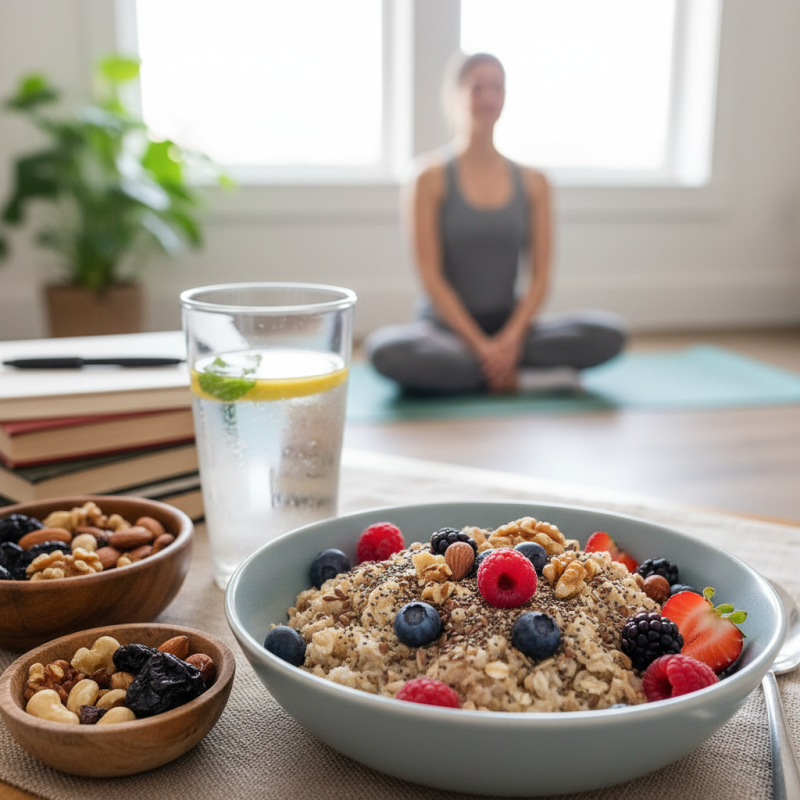
A balanced diet is essential for maintaining digestive health. Incorporating
fiber-rich foods, such as fruits, vegetables, and whole grains, promotes
regular bowel movements. These foods help prevent constipation and encourage the
growth of healthy gut bacteria. Aim for a colorful plate every meal. Each color signifies different nutrients
that support overall health.
Probiotics are another key component. Foods like yogurt and fermented
vegetables can improve your gut flora. However, not everyone responds to probiotics the same way. Some individuals may experience
bloating or discomfort. It's essential to pay attention to how your body reacts.
Gradually introduce these foods to avoid digestive distress.
Hydration is crucial as well. Drinking enough water aids digestion and nutrient
absorption. Yet, it's easy to overlook. While aiming for eight glasses, listen to your
body. Sometimes, this might be more or less, depending on activity levels and climate. Experimenting with
herbal teas can also be beneficial. They can soothe the digestive system, but remember to choose ones without caffeine.
Probiotics and prebiotics play a vital role in maintaining digestive health naturally. Probiotics are beneficial bacteria. They help balance your gut microbiota. This balance is crucial for digestion and overall health. Consuming fermented foods like yogurt or kefir can boost your probiotic intake. These foods are often rich in live cultures that promote gut health.
On the other hand, prebiotics are fibers that nourish probiotics. They help friendly bacteria thrive. Foods high in prebiotics include garlic, onions, and bananas. Including these in your diet can enhance the effectiveness of probiotics. It’s interesting to note that not everyone reacts the same to these foods. Some may experience bloating or discomfort initially. This may require a gradual introduction to your meals.
The synergy between probiotics and prebiotics can lead to improved digestive wellness. But it's important to listen to your body. Individual responses can vary widely. Keeping a food diary can help track what works best for you. Adjusting portions and types of these foods is essential. Finding the right balance is key for long-term digestive health.
Hydration plays a crucial role in maintaining gut health. Adequate water intake supports digestion and nutrient absorption. According to the National Institute of Health, the average adult should consume about 2 to 3 liters of fluids daily. This amount varies based on age, activity level, and climate. For instance, individuals engaged in vigorous exercise may require more fluids to stay hydrated.
Dehydration can lead to various digestive issues, including constipation and bloating. Studies show that increasing water intake can improve bowel movements. Drinking water before meals has also shown to enhance digestion and reduce discomfort. It aids in breaking down food, easing nutrient absorption, and preventing digestive disorders.
It’s important to remember that not all hydration comes from water alone. Fruits and vegetables can significantly contribute to fluid intake. Foods high in water content, like cucumbers and oranges, are beneficial. However, many struggle to meet their hydration needs daily. Reflecting on your fluid intake can reveal patterns that may negatively affect gut health. Prioritizing hydration can transform your digestive system.
Maintaining digestive health naturally requires thoughtful lifestyle changes. Simple habits can make a significant impact on your well-being. Eating a balanced diet rich in fiber improves digestion. Foods like fruits, vegetables, and whole grains are essential. They help maintain regularity and keep the gut flora balanced.
Hydration plays a crucial role too. Drinking enough water aids digestion and prevents constipation. Set reminders to drink water throughout the day. It’s easy to forget when you’re busy. Also, consider the timing of meals. Eating smaller, frequent meals can reduce bloating and discomfort. It’s not always easy. Sometimes, we skip meals in a rush.
Physical activity is vital for gut health. Regular exercise helps stimulate digestion and reduce stress. Aim for at least 30 minutes of moderate activity most days. Even a short walk can be beneficial. Reflect on your routines. Are you sitting too much? Stress management is equally important. Mindfulness techniques such as yoga or meditation can make a difference in your digestive health.
| Tip | Description | Frequency | Benefits |
|---|---|---|---|
| Stay Hydrated | Drink plenty of water throughout the day to aid digestion. | Daily | Supports nutrient absorption and prevents constipation. |
| Eat Fiber-Rich Foods | Incorporate whole grains, fruits, and vegetables into your diet. | Daily | Promotes regularity and prevents digestive disorders. |
| Exercise Regularly | Engage in physical activities like walking, cycling, or yoga. | 3-5 times a week | Enhances motility and reduces bloating. |
| Limit Processed Foods | Cut back on sugary and high-fat processed foods. | As needed | Reduces inflammation and digestive issues. |
| Practice Mindful Eating | Take time to chew food thoroughly and avoid distractions. | At every meal | Improves digestion and satisfaction from meals. |
Food intolerances can significantly impact digestive health. They occur when the body has difficulty digesting certain foods. Symptoms often include bloating, gas, and abdominal pain. Recognizing these intolerances is crucial for improving digestion.
One effective tip is to keep a food diary. Write down what you eat and note any symptoms that arise. This can help identify specific triggers. Try eliminating suspected foods for a few weeks. Slowly reintroducing them can reveal which items cause issues.
Another approach is to increase fiber intake gradually. Foods like fruits, vegetables, and whole grains can aid digestion. However, introducing too much fiber too quickly may lead to discomfort. It's important to listen to your body. Hydration also plays a key role. Drink plenty of water throughout the day to assist digestive processes.
This chart illustrates the impact of various food intolerances on digestive health, based on survey data regarding the prevalence of symptoms experienced by individuals after consuming certain foods.
: Eating a balanced diet rich in fiber is essential. Include fruits, vegetables, and whole grains.
Drinking enough water aids digestion and helps prevent constipation. Set reminders to drink water often.
Smaller meals can decrease bloating and discomfort. Busy lifestyles may make this challenging.
Regular physical activity stimulates digestion and reduces stress. Aim for 30 minutes of activity daily.
Practices like yoga or meditation can significantly improve digestive health. Reflect on your stress levels.
Keeping a food diary helps identify triggers. Note what you eat and the symptoms that arise.
Try eliminating suspected foods for a few weeks. Slowly reintroduce them to check for responses.
Increase fiber slowly to avoid discomfort. Listening to your body is vital during this process.
Finding time to relax is crucial. Consider incorporating mindfulness practices into your daily routine.
This can affect digestion negatively. It’s important to prioritize meal times, even on busy days.
Maintaining digestive health is essential for overall well-being, and there are several practical tips for achieving this naturally. A balanced diet plays a crucial role, as incorporating a variety of fruits, vegetables, whole grains, and lean proteins can enhance gut function. Additionally, the inclusion of probiotics and prebiotics helps to foster a healthy balance of gut bacteria, further supporting digestive wellness.
Hydration is another vital component; ensuring adequate water intake can positively impact gut function. Moreover, making certain lifestyle changes—such as regular exercise, stress management, and adequate sleep—can significantly improve digestive health. Lastly, understanding and addressing food intolerances is important, as they can hinder digestion and overall comfort. By following these tips for maintaining digestive health, individuals can promote a better quality of life and enhance their digestive wellness naturally.

QLU Health