Basic Information
Certification
GMP, HSE, ISO 9001, USP, BP
Product Description
Adapalene is a synthetic retinoid analogue used primarily in dermatology for its potent anti-inflammatory and comedolytic properties. It functions as a selective agonist of retinoic acid receptors particularly RARβ and RARγ, modulating cellular differentiation and keratinization processes. The compound is chemically stable and compatible with various topical formulations.
Product Specifications
| Product Name | Adapalene Powder |
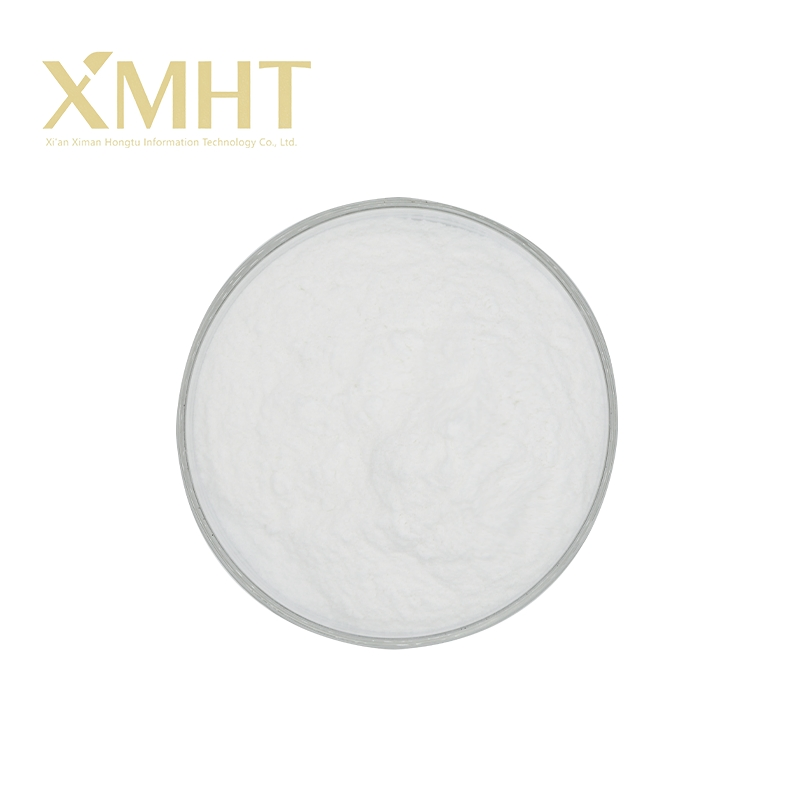
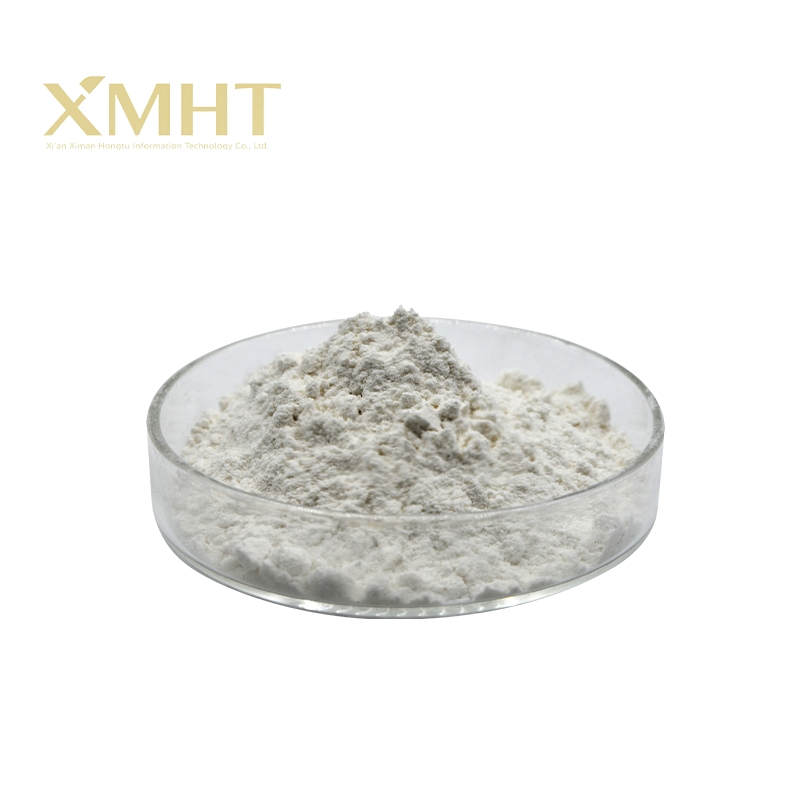
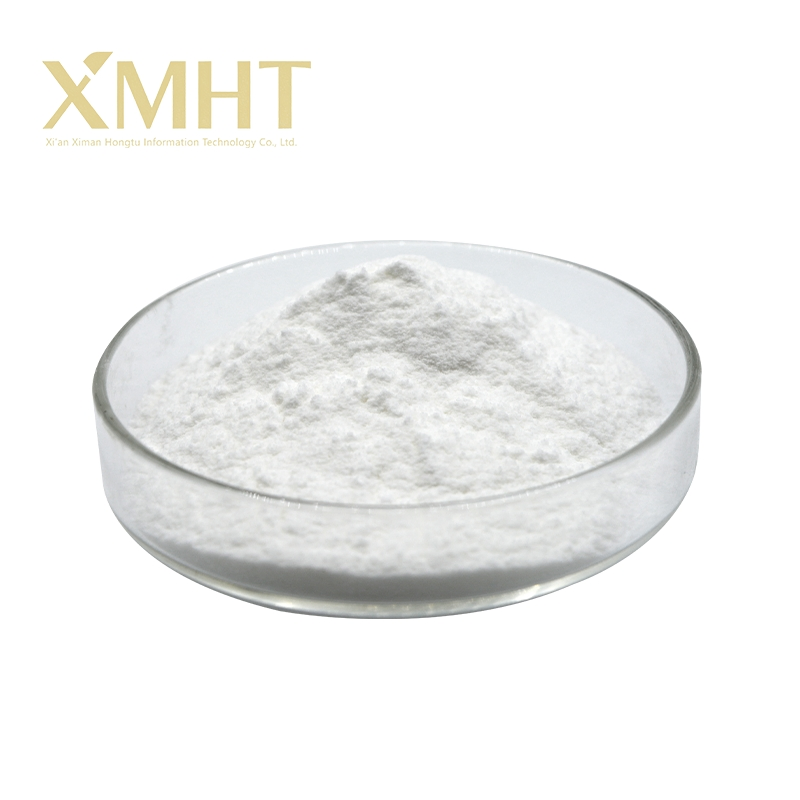
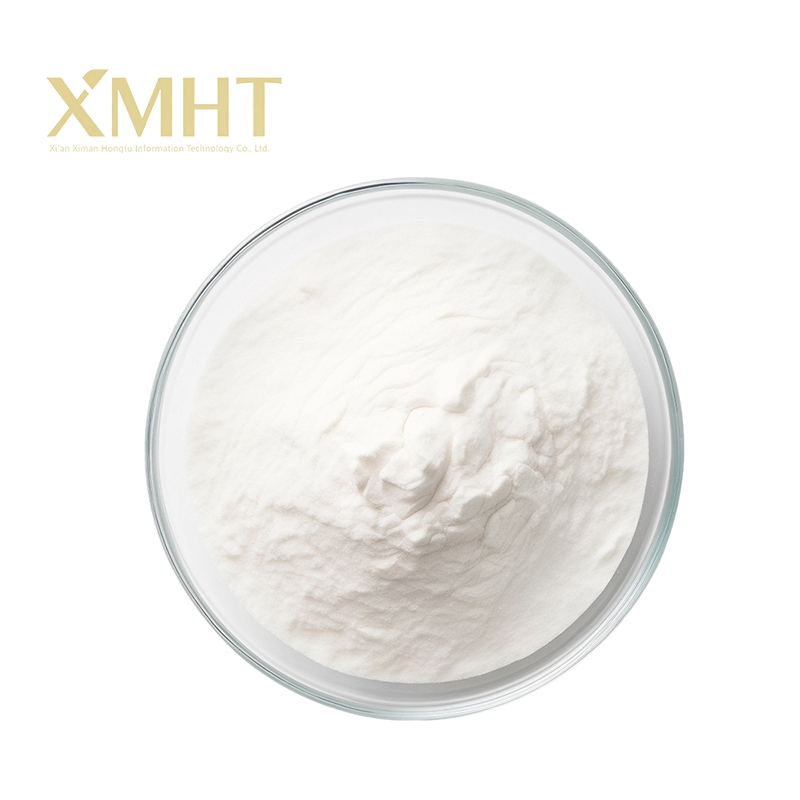
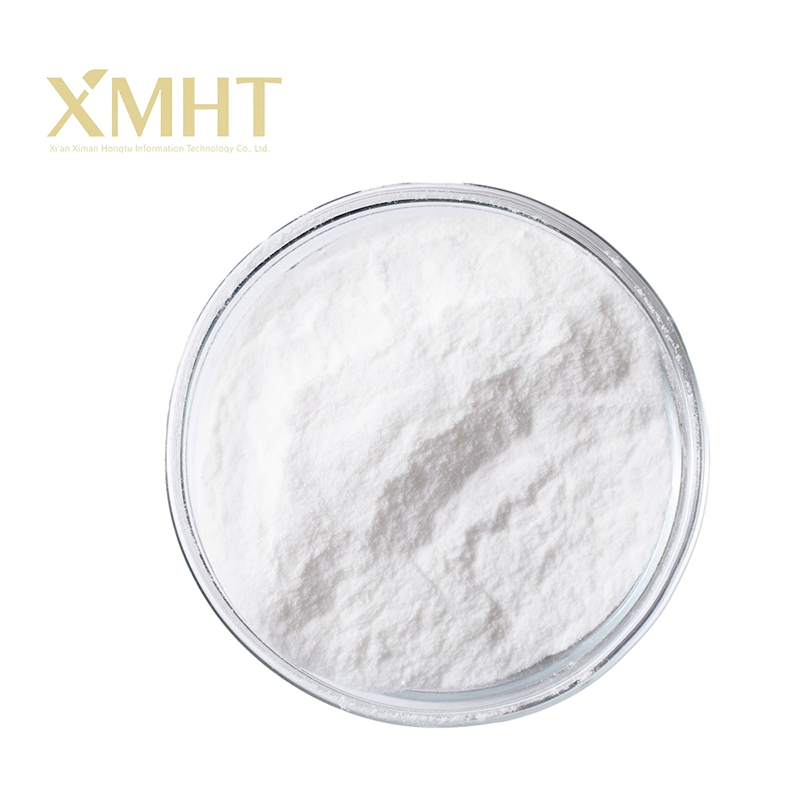
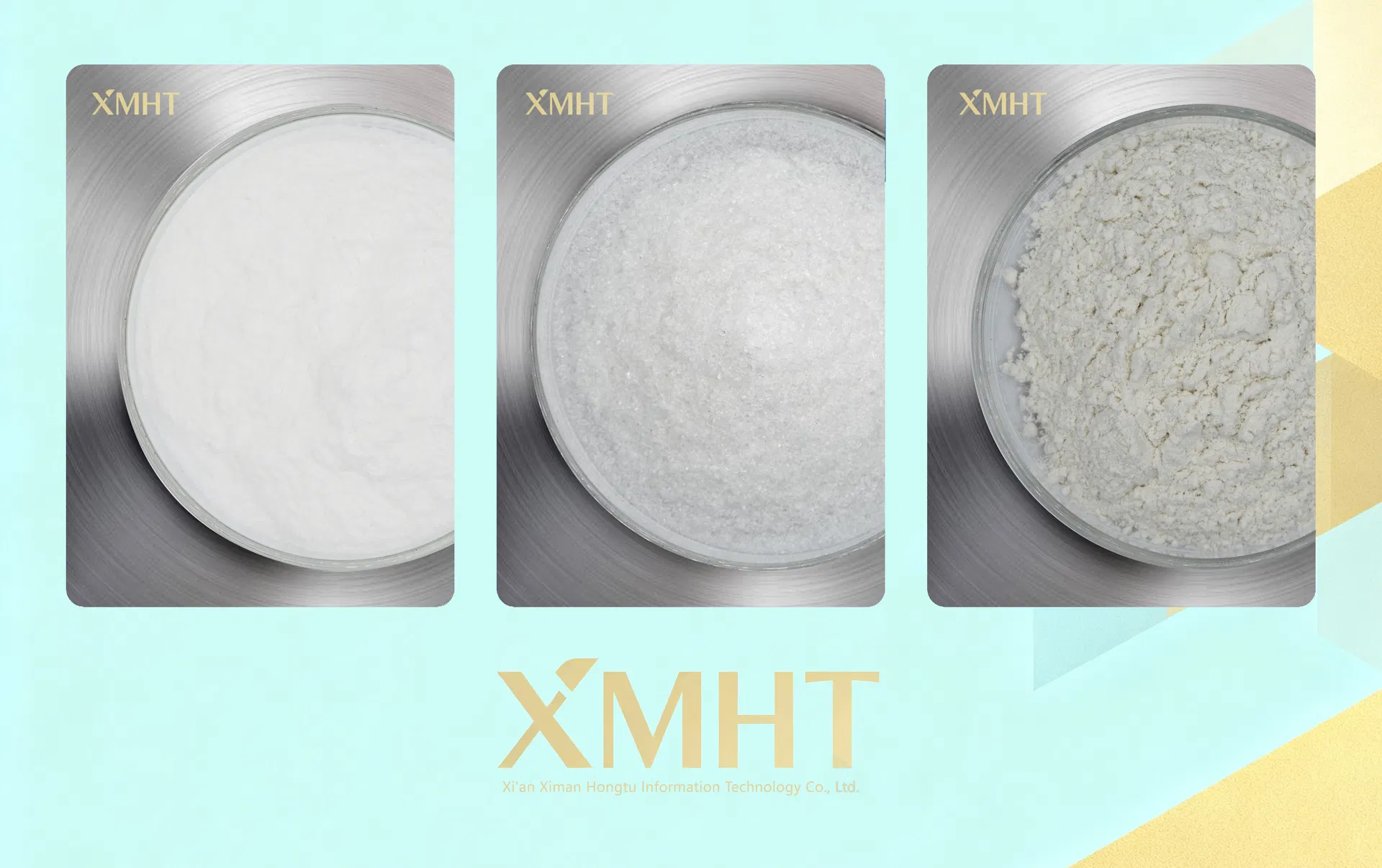
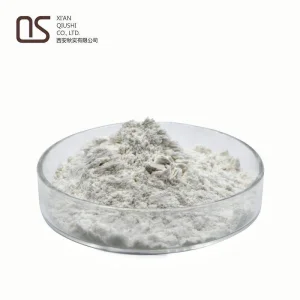
| Appearance | White Powder |
| CAS Registry | 106685-40-9 |
| Molecular Formula | C28H28O3 |
| Molecular Weight | 412.52 |
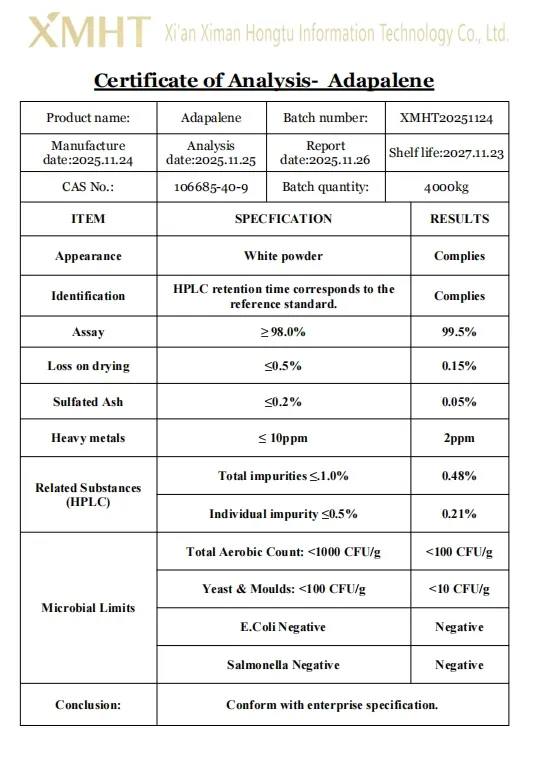
| Assay (HPLC) | ≥ 99.0% |
Application & Function
Adapalene is a third-generation topical retinoid developed for the treatment of acne vulgaris. Its primary mechanism of action involves binding selectively to specific retinoic acid receptors RARβ and RARγ within the skin. This binding modulates gene expression leading to normalized differentiation of follicular epithelial cells and prevention of microcomedone formation. Adapalene also exhibits significant anti-inflammatory effects by inhibiting the migration of polymorphonuclear leukocytes and the oxidative metabolism of arachidonic acid.
Visual Documentation
Frequently Asked Questions
What is the purity level of your Adapalene Powder?
Our Adapalene powder is Pharmaceutical Grade with a purity of ≥ 99.0% as tested by HPLC.
What are the main applications of this product?
It is primarily used as a pharmaceutical raw material for dermatology products, specifically for treating acne vulgaris and related inflammatory skin conditions.
What certifications does this product hold?
The product is manufactured following GMP, ISO 9001, and HSE standards, meeting USP and BP specifications.
How should Adapalene Powder be stored?
It should be stored in a cool, dry place away from direct light and air. It has a verified shelf life of 2 years when stored correctly.
Does Adapalene help with skin conditions other than acne?
Yes, it is sometimes used for conditions like keratosis pilaris and certain forms of photoaging due to its ability to promote cellular turnover.
 QLU Health