Direct global supply pipelines for pharmaceutical precursors, organic botanicals, and manufacturing hardware.

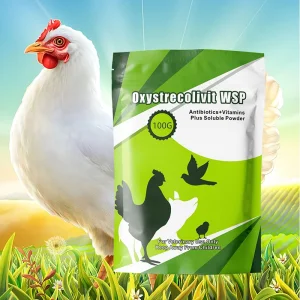
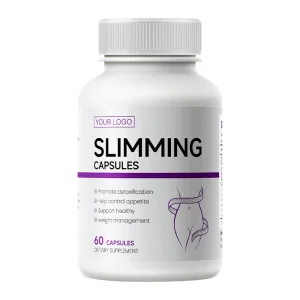
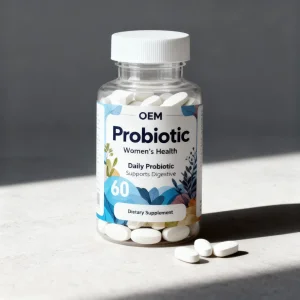
The global weight management and metabolic health industry has transitioned from standard calorie-restriction formulas to advanced metabolic science. With the explosive rise of peptide therapies and targeted biological path interventions, weight loss product manufacturing is experiencing an unprecedented industrial revolution. In 2024, B2B procurement strategies prioritize raw materials that demonstrate high bio-availability, minimal ecological impact, and verifiable clinical trial backing.
Obesity is no longer looked at merely through the lens of aesthetic alteration. Today, it is recognized globally as a complex disease involving hormones, neurological signaling, and intestinal microbiomes. Suppliers are scaling production lines for specialized bioactive molecules—specifically aiming to replicate or boost satiety mechanisms like GLP-1 (Glucagon-Like Peptide-1) pathways naturally. Ingredients such as Saffron Extract, functional dietary fibers, specialized probiotics, and highly concentrated herbal extracts represent the primary material flows passing through global manufacturing hubs.
To maintain competitive pricing and distribution dominance, B2B buyers must track four central advancements within high-tier manufacturing operations:
Scientific consensus now recognizes the role gut flora plays in weight maintenance. As a result, factories are rapidly updating facilities to support high-viability probiotic strains (e.g., *Lactobacillus gasseri*, *Akkermansia muciniphila*) capable of surviving gastrointestinal acids to regulate lipogenesis and metabolic processes.
Conventional organic solvents like hexane are being phased out. Advanced manufacturers use supercritical carbon dioxide (CO2) extraction technology to process plant lipids (such as avocado oil and cold-pressed botanical seeds). This yields extremely pure, residue-free oils without heat degradation, aligning with environmental criteria demanded by North American and European distributors.
By combining natural neurochemical triggers (such as Saffron Extract to balance serotonin levels and curb emotional eating) with soluble dietary fibers that expand in the stomach, manufacturers create synergistic dual-action mechanisms. This reduces dependency on aggressive stimulants like synthetic caffeine anhydrous, which carry adverse cardiovascular risks.
Xian QLU Health Pharmaceutical Technology Co., Ltd. (referred to as "QLU") stands at the intersection of medical innovation and nutritional engineering. QLU is heavily engaged in the development, production, and marketing of raw active pharmaceutical ingredients (APIs), food ingredients, vitamins, chemical intermediates, and specialized metabolic health products.
Headquartered in Xian, China, QLU operates three manufacturing plants located in the major industrial zones of Shandong, Zhejiang, and Hebei. Each facility specializes in unique manufacturing pathways, utilizing advanced synthesis and separation processes. The company possesses complete regulatory control over product development, engineering, design, and analysis.
Through multi-decade infrastructure investments, QLU's facilities have achieved rigorous international quality system standards, securing official compliance certificates for GMP, ISO, FAMI-QS, KOSHER, and HALAL. Backed by strategic marketing offices in Mumbai (India) and Dubai (UAE), QLU connects the global health product ecosystem with rapid supply logistics.


In a highly dynamic marketplace, QLU maintains operational flexibility and research adaptability. By utilizing state-of-the-art laboratory instrumentation (HPLC, GC-MS, ICP-MS), the company's scientific teams ensure that every batch of active ingredients meets USP, EP, and ChP standards.
Whether developing new API pathways or custom private label formulations, the company works directly with medical research centers, clinical research organizations, and third-party validation companies to ensure all health claims are verified, reliable, and compliant.
A decade of research accumulation, capacity expansion, and rigorous quality system compliance.
Dedicated to supplying pharmaceutical precursors, food ingredients, and active vitamins.
Expanded global outreach, supplying wholesale APIs, vitamins, and chemical intermediates.
Integrated direct production across three manufacturing plants in Zhejiang, Shandong, and Hebei.
Launched advanced chemical synthesis programs and custom OEM processing for functional wellness brands.

Different geographic zones present highly unique regulatory and consumer landscapes. In order to optimize supply chains and minimize import risks, product formulations must be localized:
High demand for clean-label, vegan certifications, non-GMO status, and botanical extracts such as Milk Thistle or Saffron. Highly strict FDA and EFSA requirements necessitate comprehensive heavy metal, solvent residue, and microbiological testing certificates.
Requires strict Halal certification. Premium packaging solutions such as single-dose sachets and customized, functional caramel chews are preferred over standard capsules.
Cost-effective API supplies and high-potency raw powders for local formulation houses are essential. Strong collaboration with regional distributors, such as QLU’s partner network in Mumbai, facilitates efficient logistics.
The future of metabolic supplement development lies in molecular precision and bio-enhanced absorption structures. Key areas of ongoing research and clinical investigation include:
Active biomolecules, such as silymarin (found in Milk Thistle) or polyphenols, often feature low cellular permeability and rapid first-pass liver metabolism. Developing lipid-based nanoparticles and liposomal encapsulation helps safeguard these compounds through the digestive system, allowing targeted absorption in the small intestine.
Modern formulations combine heat-stabilized postbiotics, live probiotics, and selective prebiotic fibers (such as inulin or oligofructose). This approach helps support intestinal barrier function, reduce systemic inflammation, and regulate short-chain fatty acid (SCFA) production, which plays a role in natural hunger-hormone pathways.
Research is increasingly focused on identifying non-peptide molecules that stimulate endogenous GLP-1 secretion from intestinal L-cells. Plant-derived compounds, such as specialized bitter receptor agonists, are being studied for their potential to help control appetite without the use of synthetic drugs.
Providing answers to key procurement, quality assurance, and technical formulation questions.
High-purity raw powders, functional delivery formats, and specialized manufacturing equipment.


 QLU Health